How to Turn MDB Opportunities into Real Projects: EDB Academy Brings Together Representatives of 7 Eurasian Countries
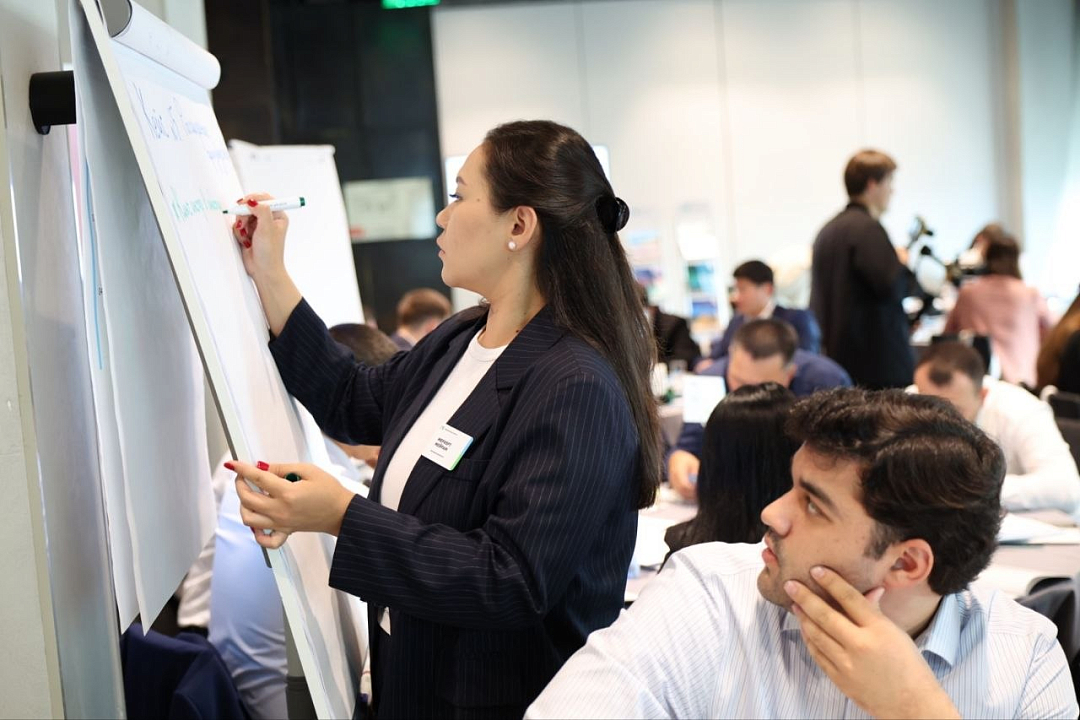
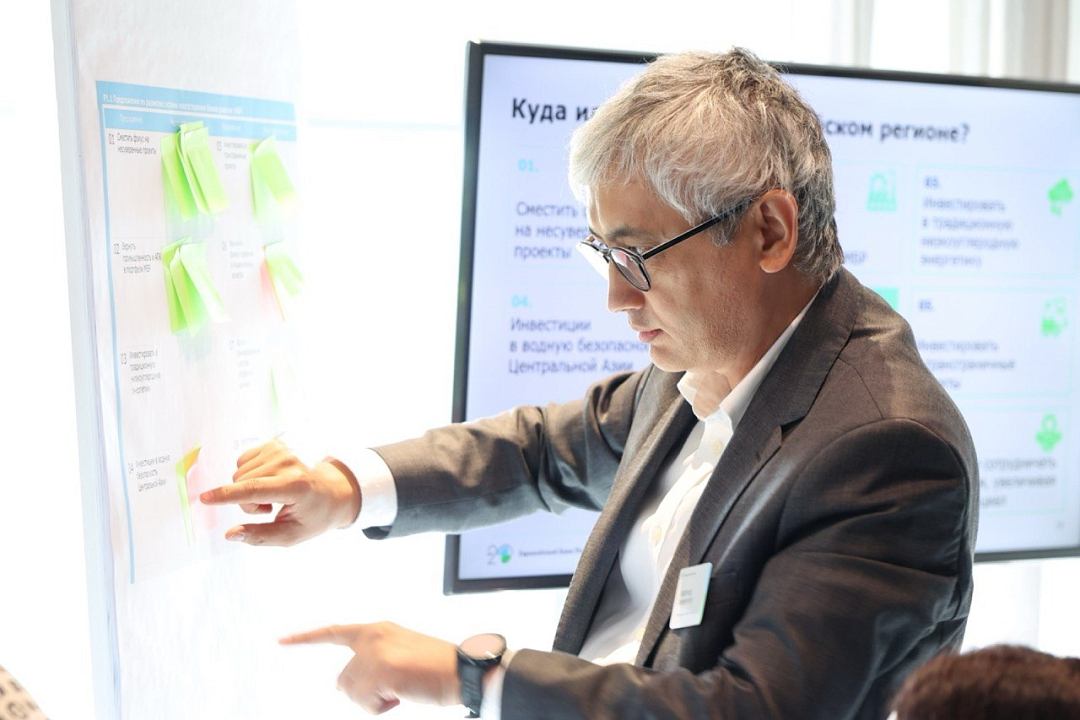
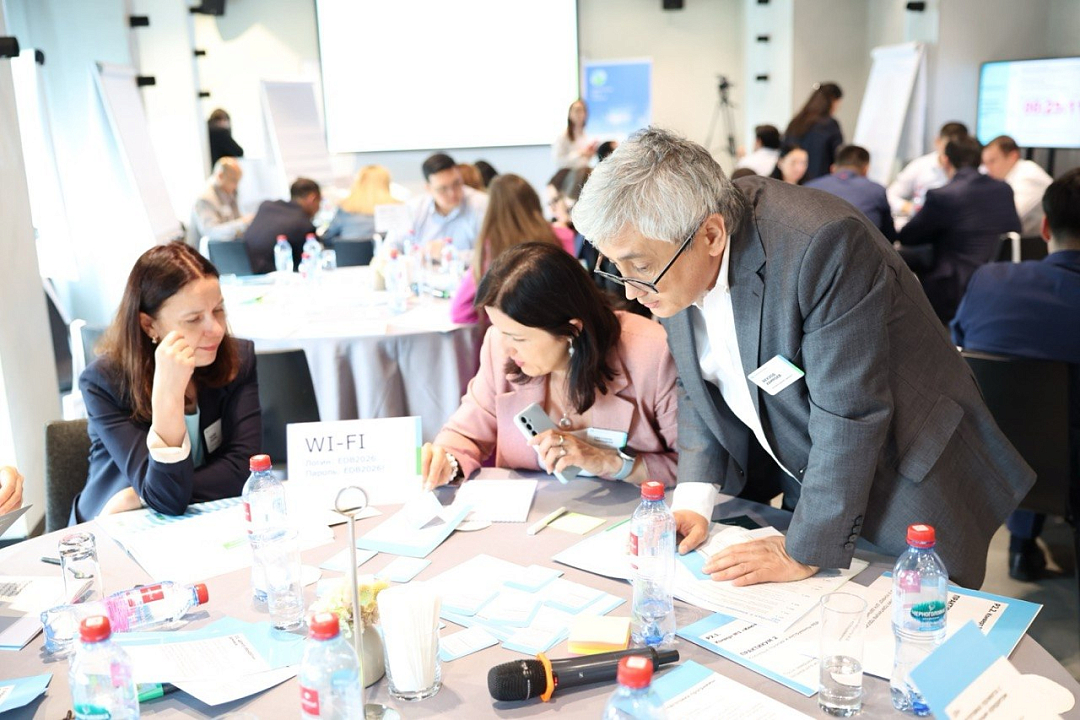
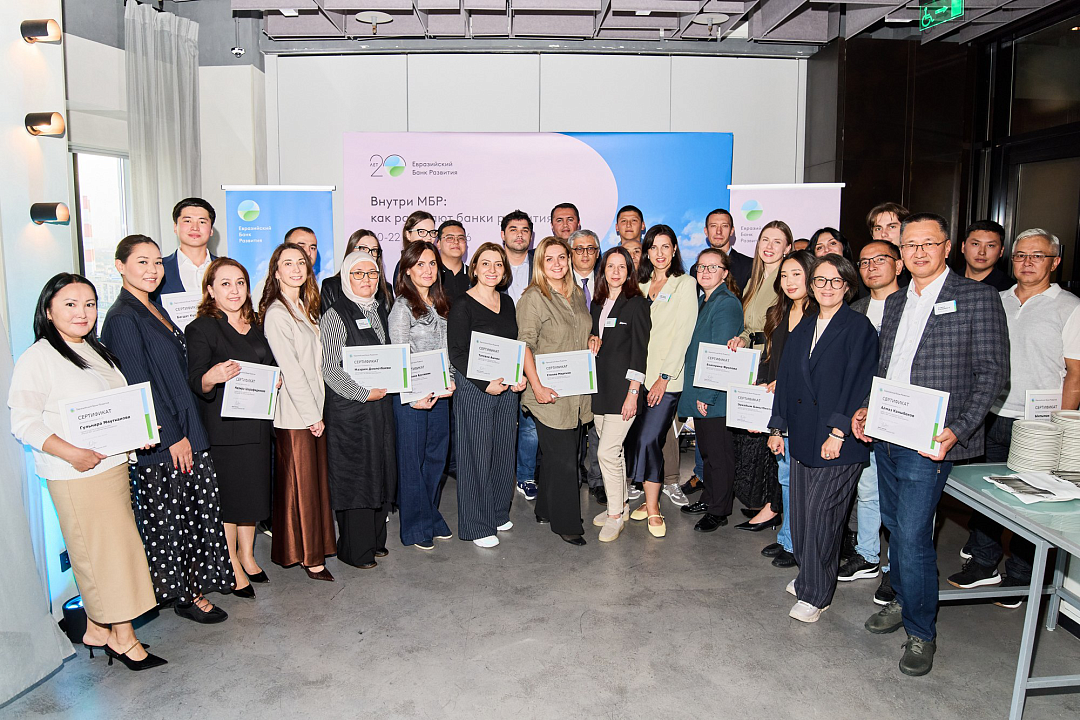
How do multilateral development banks (MDBs) work, which instrument is best suited to a specific project, and how can countries build effective cooperation with development institutions? Representatives of government agencies, national banks, national and international development institutions discussed these questions at the three-day practical workshop Inside MDBs: How Development Banks Work, organised by the Eurasian Development Bank (EDB) Academy.
The workshop brought together representatives of seven countries across the Eurasian region and focused on practical tasks. Participants not only explored how the modern MDB system works, but also learned how to apply its instruments to prepare and implement projects that are important for the development of the region’s economies.
From Understanding the System to Choosing the Right Instrument
The programme covered the full range of opportunities offered by MDBs – from sovereign and non-sovereign financing to analytical tools, technical assistance and cooperation among development institutions.
During the workshop, participants learned to:
- navigate the MDB landscape by understanding differences in the mandates, structures, instruments and operating models of development banks and assessing their potential role in implementing public- and private-sector projects;
- select the most appropriate MDB and instrument for a specific project, distinguishing between sovereign and non-sovereign financing, technical assistance and other investment and non-investment instruments;
- work with analytical data by finding and analysing information on sovereign and non-sovereign financing, mutual investment and infrastructure projects across the Eurasian region;
- understand opportunities for engagement with EDB, including its strategic priorities and approach to building its project portfolio.
“For the Eurasian Development Bank’s member countries, it is important to understand both the financing opportunities and the full range of instruments available from MDBs. The better countries understand how development banks operate, the more effectively they can use these opportunities to advance their strategic priorities,” said Evgeny Vinokurov, EDB Vice Chairman and Chief Economist.
Particular attention was paid to how multilateral development banks can preserve their respective strengths while operating as part of a common ecosystem. The international expert session discussed coordination and the respective roles of MDBs, opportunities for co-financing, greater alignment of approaches and standards and knowledge sharing as a foundation for more effective cooperation among development institutions. The session featured Ayumi Konishi, Senior Advisor to the CEO of the Multilateral Cooperation Center for Development Finance (MCDF).
He noted that “A common MDB ecosystem does not preclude healthy competition. On the contrary, efforts to harmonize standards and procedures create a foundation for more effective cooperation and complementarity among development institutions and facilitate collaboration and co-financing, while differences in expertise and instruments enable each institution to leverage its comparative advantages. In Central Asia, it is particularly important to pool information on different initiatives and strengthen coordination among partners. This enables institutions to complement one another and work together more effectively on development projects. With the forthcoming launch of the MCDF Central Asia Fund to support high-quality connectivity infrastructure project preparation and capacity building in the region, we see significant potential to further strengthen our cooperation with the Eurasian Development Bank.”
EDB’s New Strategy: From Priorities to Implementation
An important part of the programme focused on the EDB’s Strategy for 2027–2031 and the practical steps required for its implementation.
Alexey Skatin, Deputy Chairman of the EDB Management Board, presented the Bank’s key strategic priorities: developing the Eurasian transport and logistics framework, financing industry and high-value-added sectors of the economy and developing strategic channels for attracting investment. Particular attention was paid to the role of investment and non-investment instruments, including project finance, syndication, technical assistance and digital platforms, in implementing the Bank’s new strategic priorities.
The workshop forms part of EDB Academy’s ongoing efforts to develop the competencies needed for effective engagement between member-countries and international development institutions and to strengthen professional dialogue across the region.
Additional Information:
EDB Academy was established in 2025. Its primary objective is to strengthen regional dialogue and facilitate the exchange of experience and best practices in key areas of economic development, including project finance, the work of international financial institutions, regional cooperation across economic sectors, macroeconomic modelling, green finance and sustainable development. The Academy organises in-person programmes and develops EDB Digital Academy, its online learning platform. EDB Academy programmes are attended by representatives of government agencies, businesses and financial institutions from the Bank’s member countries.
The Eurasian Development Bank (EDB) is a multilateral development bank investing in Eurasia. For 20 years, the Bank has worked to strengthen and expand economic ties and foster comprehensive development in its member countries. By the end of June 2026, the EDB’s cumulative portfolio comprised 348 projects with a total investment of US $22.1 billion. Its portfolio consists principally of projects with an integration effect in transport infrastructure, digital systems, green energy, agriculture, manufacturing and mechanical engineering. The Bank adheres to the UN Sustainable Development Goals and ESG principles in its operations.
The EDB is implementing three mega-projects as part of its 2022–2026 Strategy: the Eurasian Transport Network, the Eurasian Agricultural Goods Distribution System and the Central Asian Water and Energy Complex.
The EDB Media Centre:
+7 (727) 244 40 44, ext. 4774, 2160