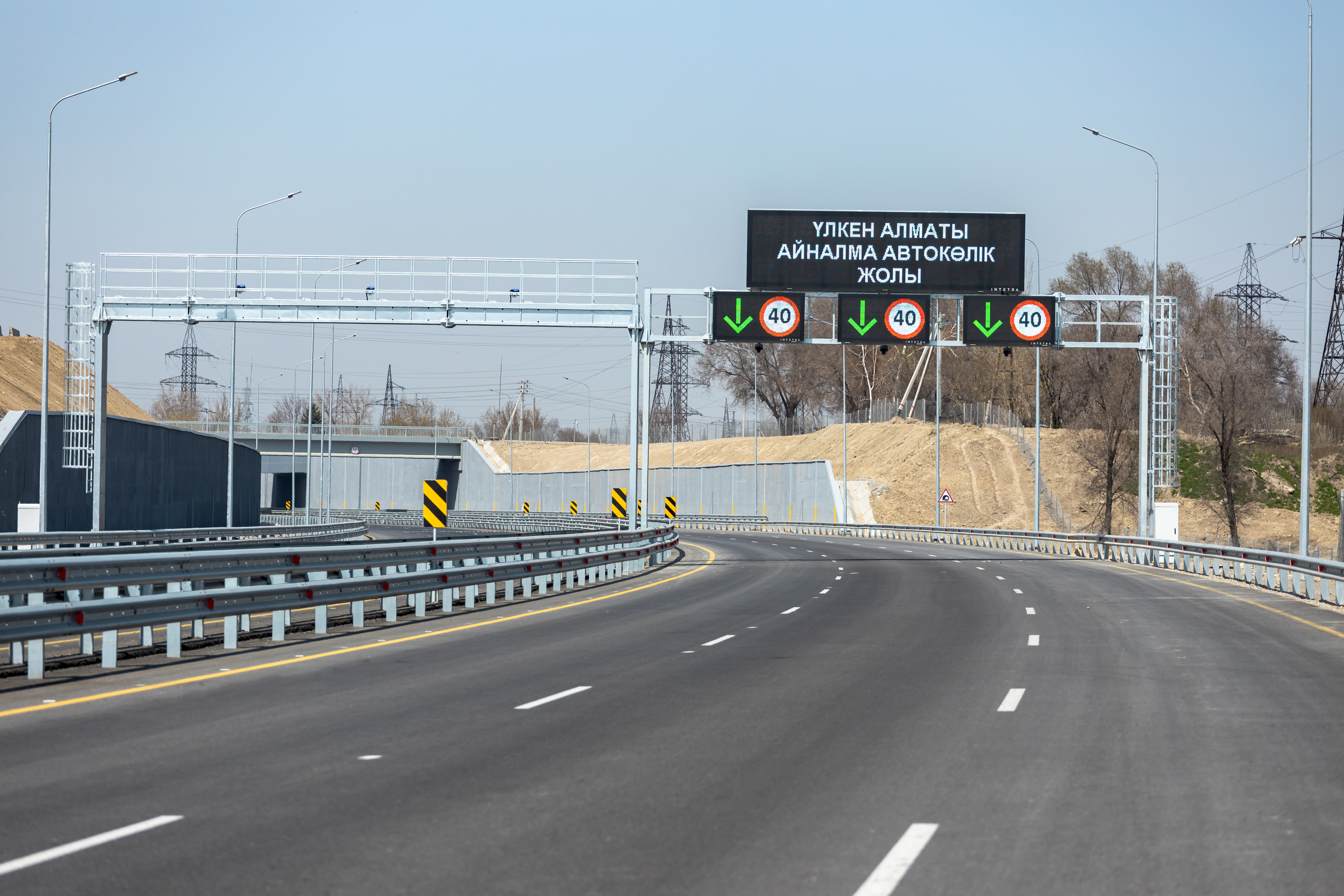
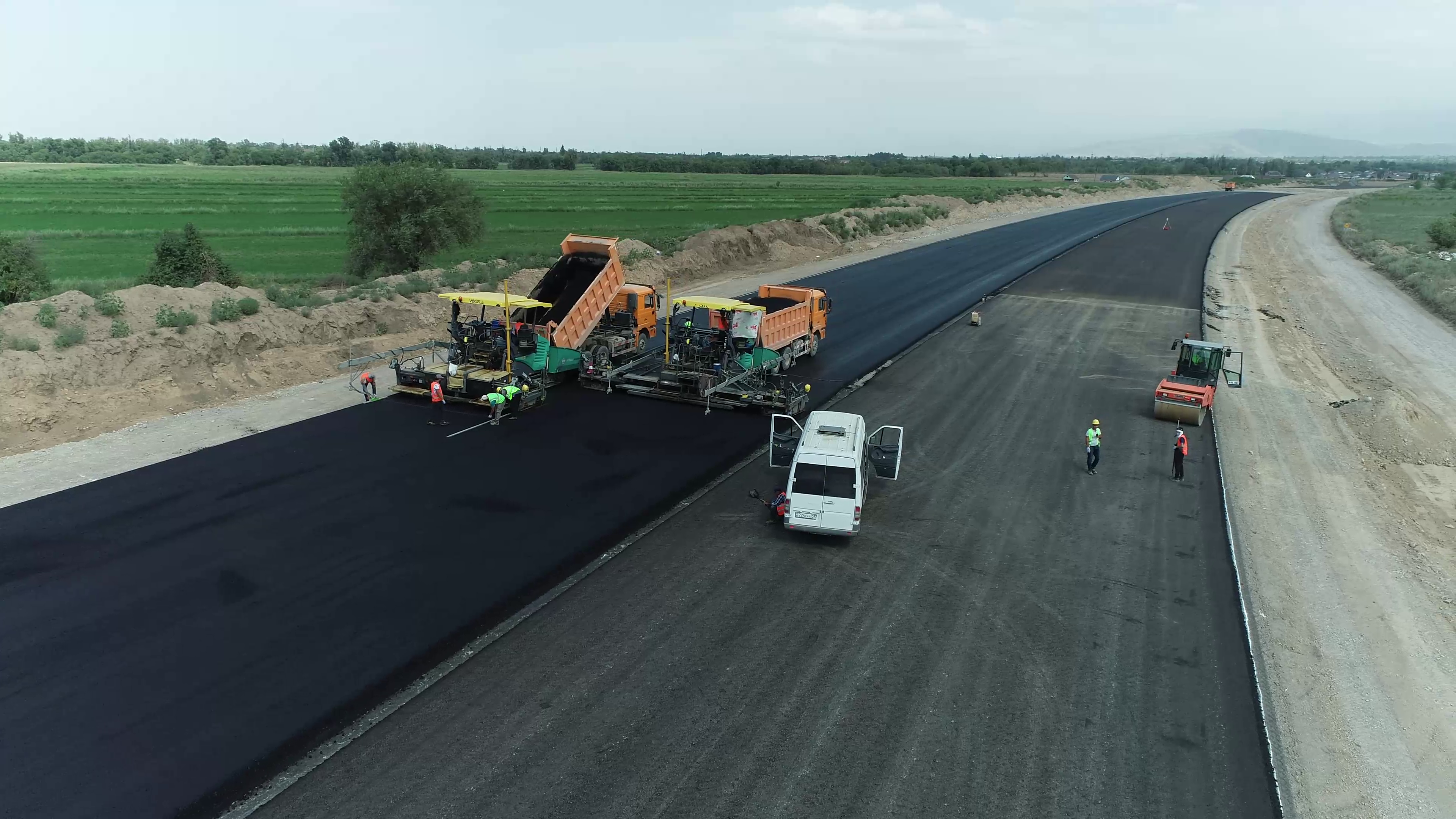
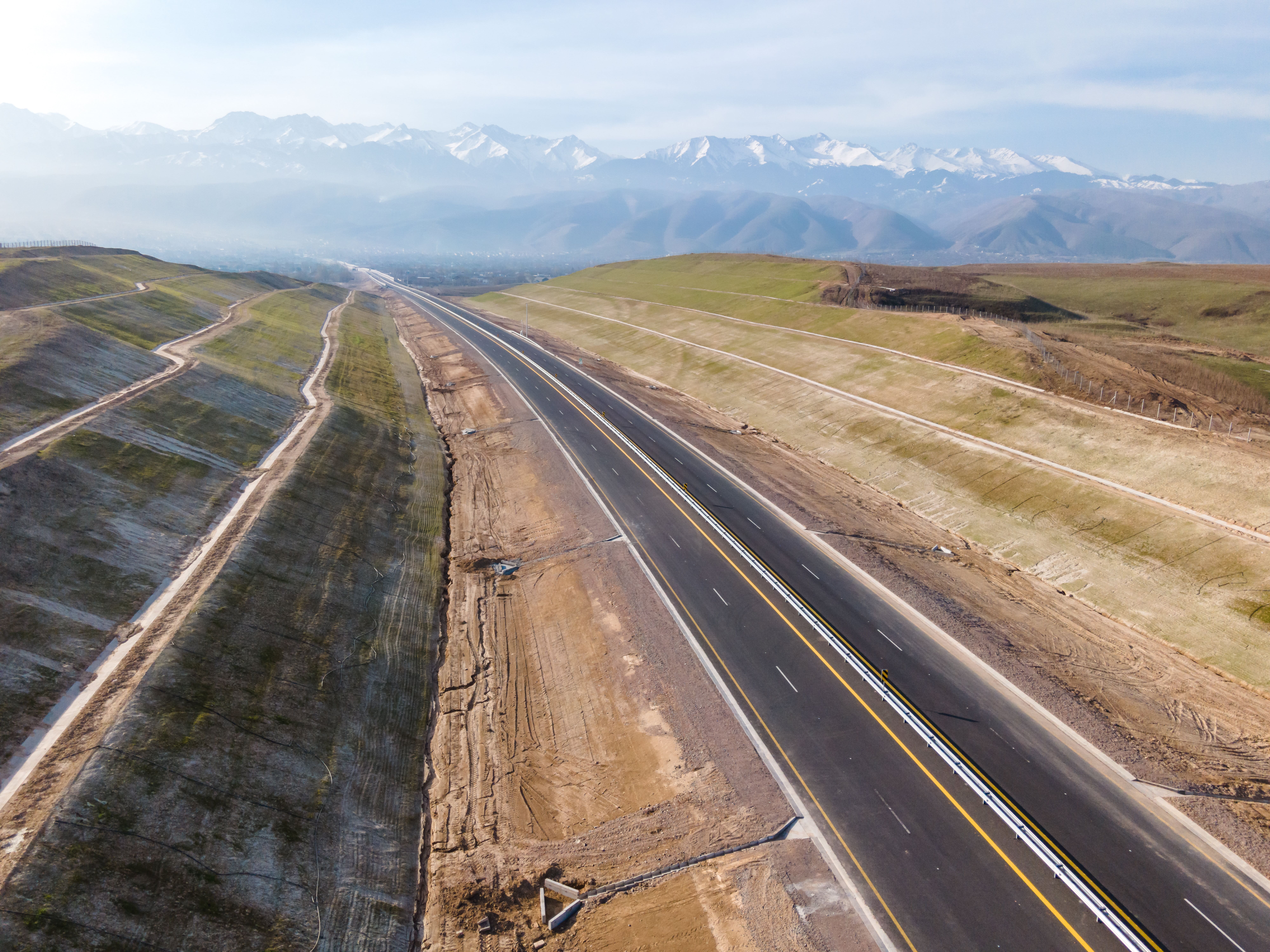
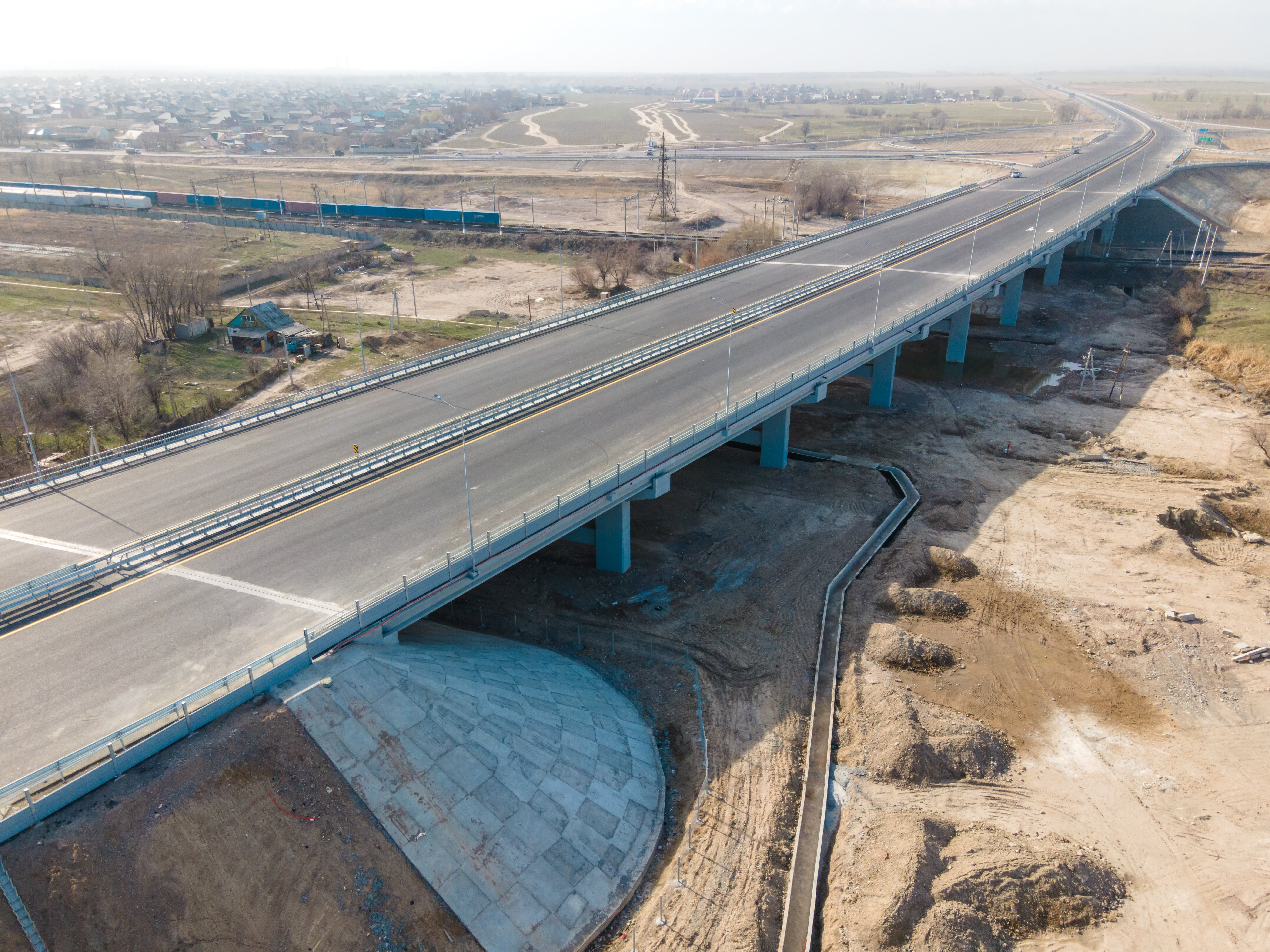
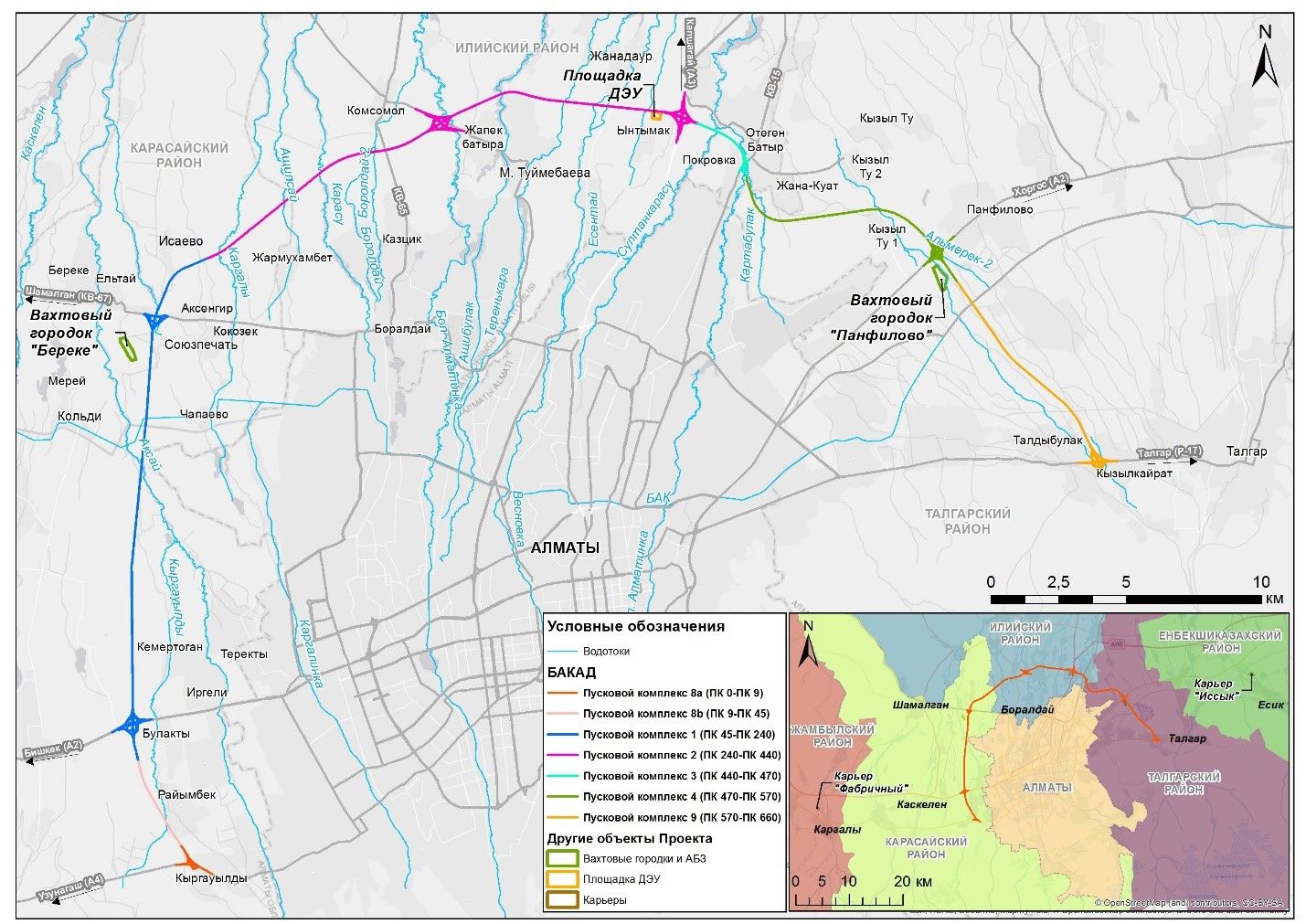
Construction and operation of the Big Almaty Ring Road (BAKAD)

Project overview
BAKAD will divert forecast traffic from Almaty and its suburbs, carry transit vehicles outside built-up areas, improve transport services, reduce road transport's environmental impact, and increase travel speeds and road safety. By easing pressure on the city's roads, it will improve conditions in Almaty and nearby areas, create jobs and support the regional economy. It will also help prevent congestion on the main roads entering the city.
EDB financing: US$135 million.
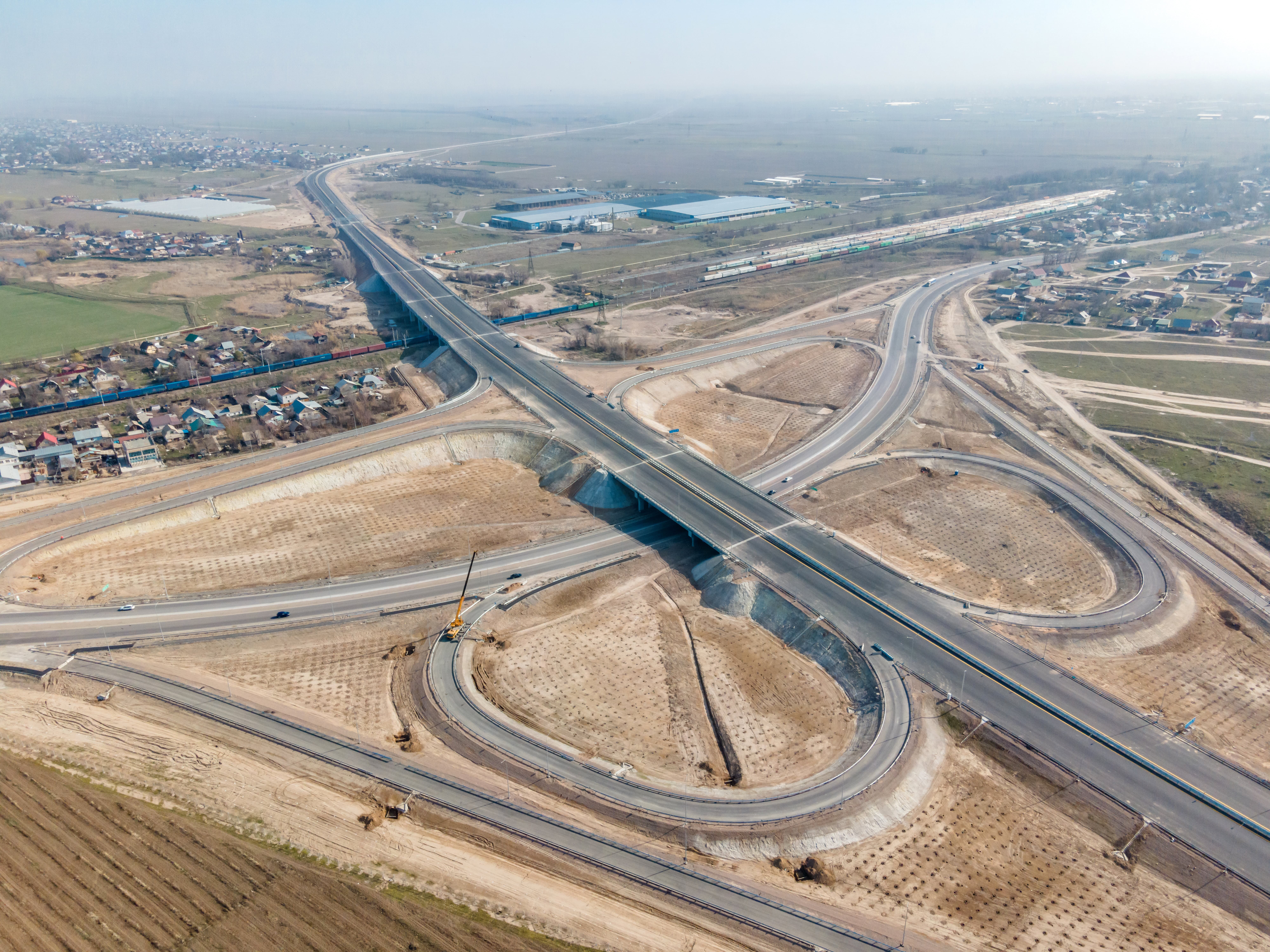
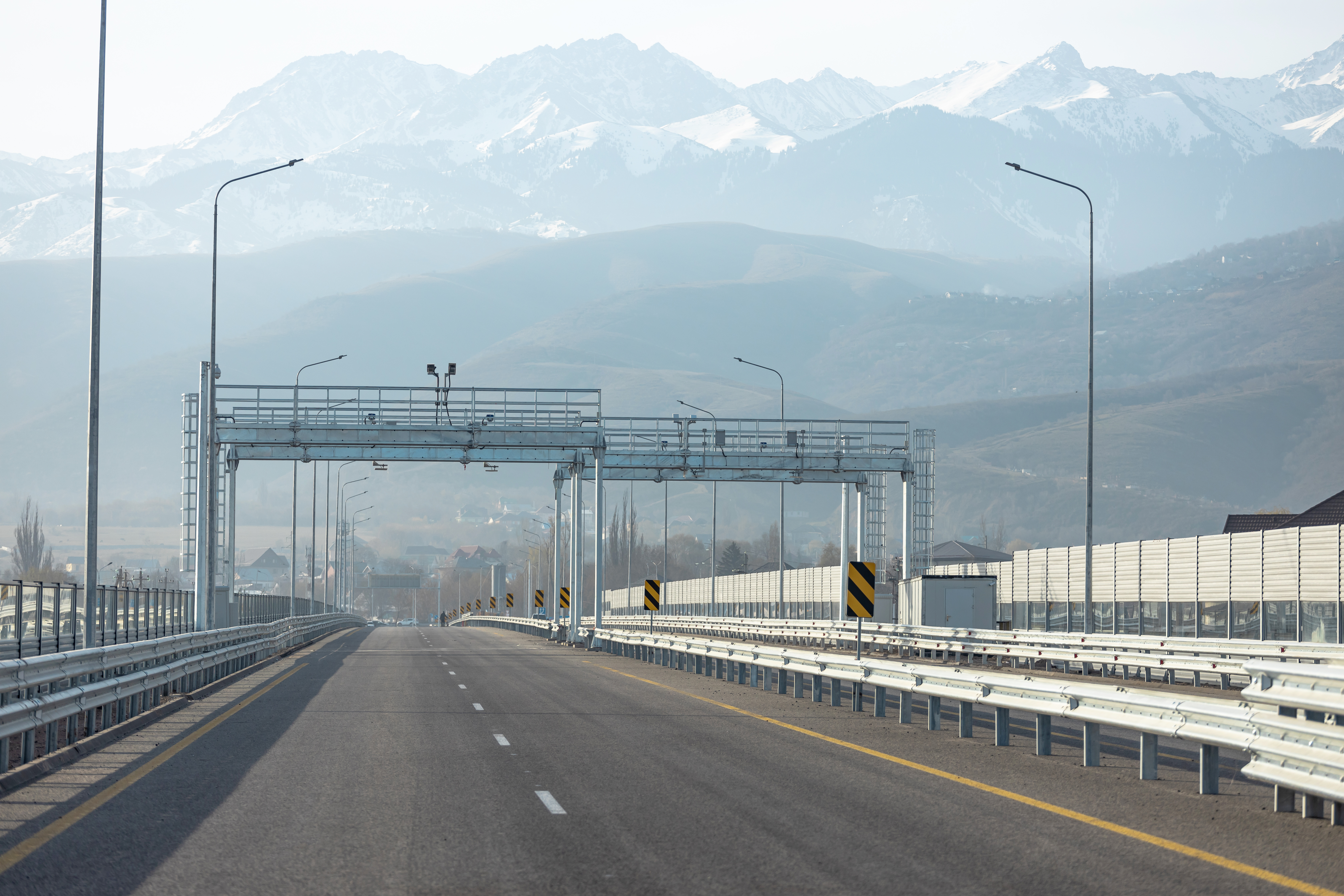
Road length: 66 km, comprising 9 km with four lanes and 57 km with six lanes, plus bridges, interchanges, toll collection points and related infrastructure.
Road freight volume in the BAKAD area is projected to rise by 87% to 35.9 million tonnes by 2038.
More than 1,500 jobs were created during construction, including those with contractors and subcontractors. The project prioritises local workers, who are expected to make up around 70% of the workforce, and includes measures to recruit people from vulnerable groups.
Construction progress at the time of the source: 90%. Planned commissioning: spring 2023.
Integration effect
BAKAD is intended to support economic integration and the functioning of common markets by developing transport infrastructure at the intersection of the Tashkent–Shymkent–Taraz–Bishkek–Almaty–Khorgos, Almaty–Karaganda–Astana–Petropavlovsk and Europe–Western China corridors. These routes cross Kazakhstan, Kyrgyzstan and Russia. The road will connect routes used for freight to and from Kazakhstan and other EDB member states, including transit freight, and link towards Russia, Kyrgyzstan, Tajikistan and Belarus. It adjoins the Europe–Western China corridor, which connects to member-state borders. This corridor is effectively the only cross-border road infrastructure project approved by the governments of Kazakhstan and Russia.
Contribution to the SDGs
By diverting transit traffic around Almaty, construction is expected to increase short-term economic output through work under a US$543.3 million EPC contract. Toll revenue is expected to create a longer-term economic effect.
The EDB is a lender to this PPP project, supporting wider use of PPPs in member countries. The project was financed by a syndicate comprising the Eurasian Development Bank, the European Bank for Reconstruction and Development and the Islamic Development Bank.
Environmental impact
The road is expected to support sustainable growth in Kazakhstan by improving transport infrastructure and addressing regional transport needs. Diverting traffic from central Almaty should reduce congestion, noise and environmental pressure. The project also provides for new jobs and increased tax revenue.
Project goals and objectives
Financing the construction of the Big Almaty Ring Road (BAKAD) around Kazakhstan's largest city. It is Central Asia's largest public-private partnership transaction and Kazakhstan's largest investment outside the oil and gas sector. Once completed, the 66 km road around Almaty, a city of 2 million people, is expected to form a link in the trans-Eurasian Western Europe–Western China transport corridor.