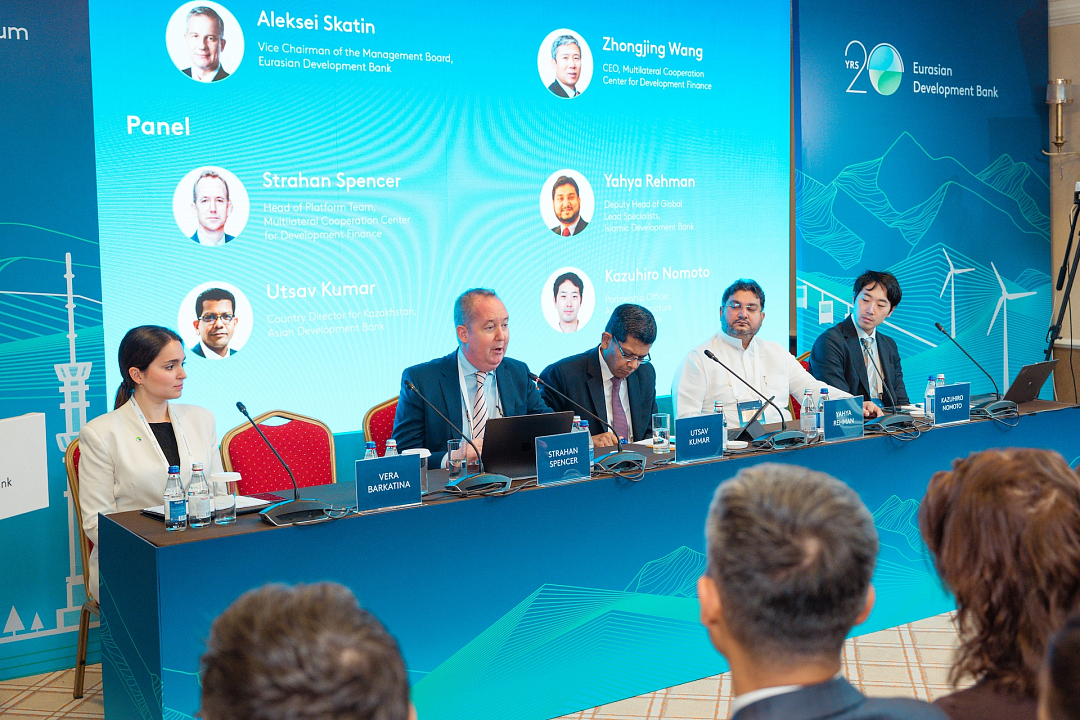
"From concept to project": EDB and international financial institutions synchronize approaches to technical assistance
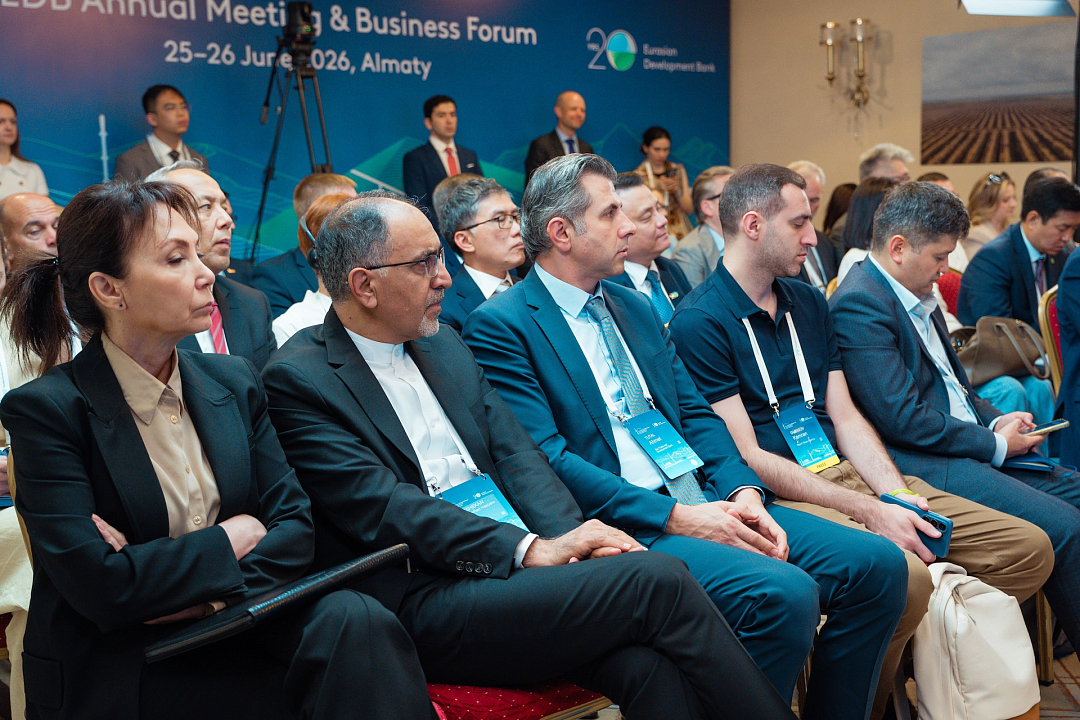
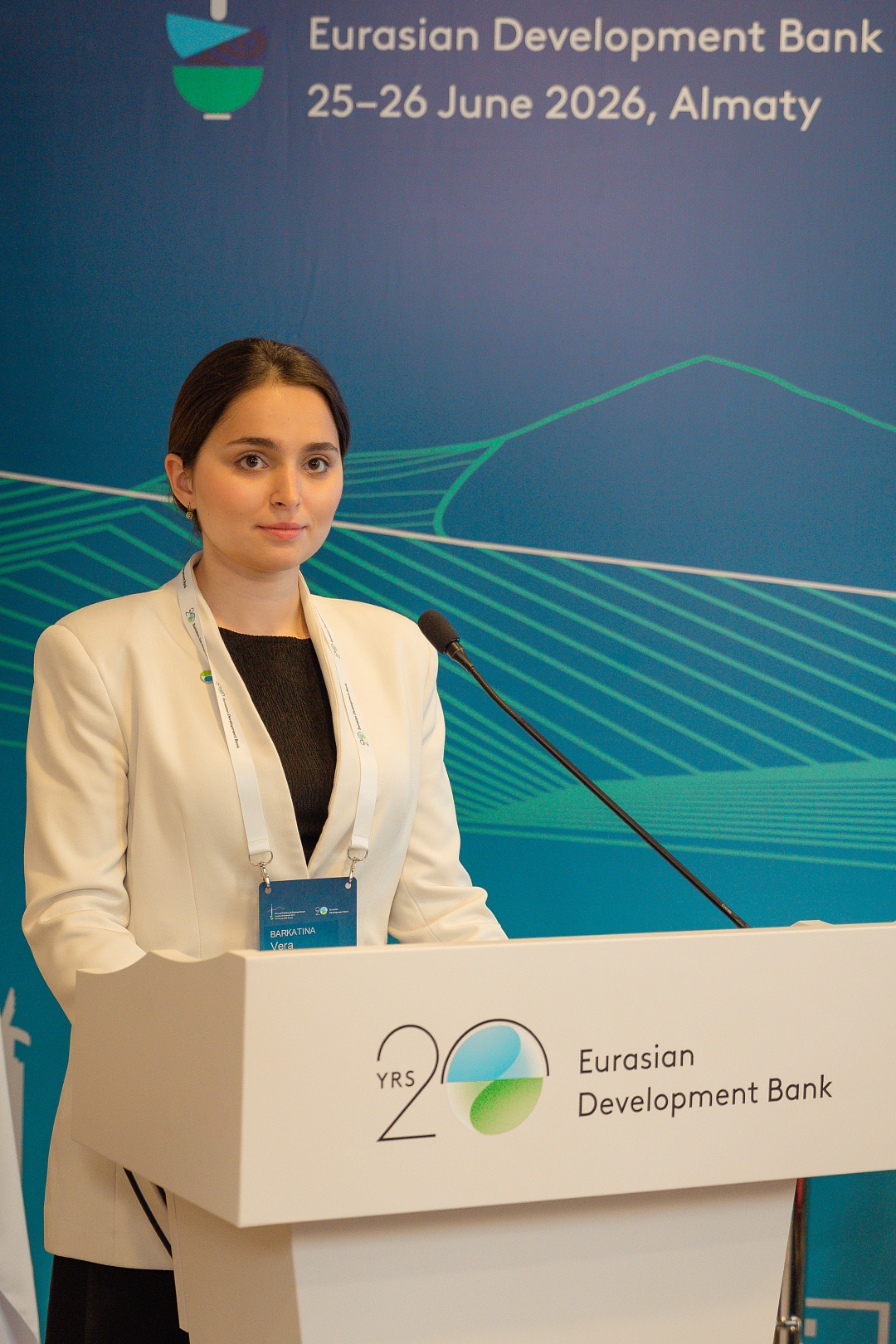
Almaty, June 26, 2026. — A session titled "Technical Assistance as a Catalyst for Investment: MDBs’ Perspective" was held on the second day of the EDB's Annual Meeting and Business Forum. The discussion explored how technical assistance is evolving from a stand-alone advisory instrument into a strategic component of the investment cycle, supporting not only project preparation but also the development of investment pipelines. Participants also discussed opportunities to better coordinate TA resources and jointly prepare projects across Central Asia.
Technical assistance involves preparation of projects up to the adoption of the investment decision, development of institutional environment, and improvement of regulatory climate. The discussion focused on integrating TA into the investment cycle and accepting its role of a tool that supports not only individual projects but also portfolio development as a whole.
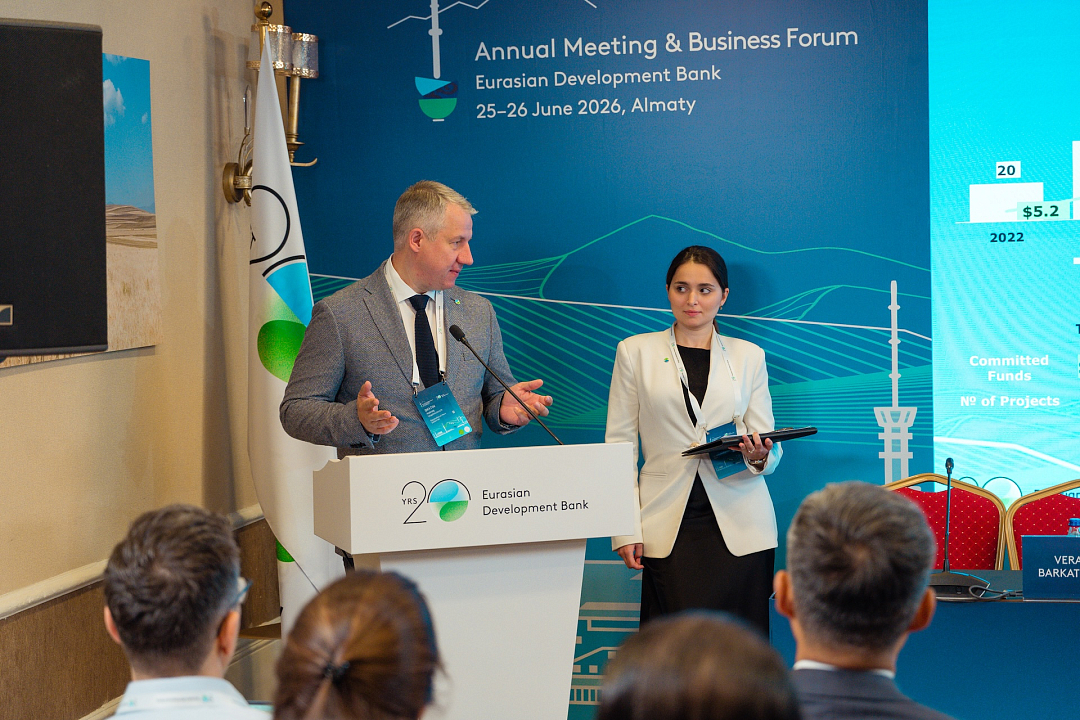
Aleksei Skatin, Vice Chairman of the EDB Management Board, noted that the Technical Assistance Fund is a key element of the Bank's strategy:
"Historically, technical assistance was viewed as a consulting tool. Today, it needs to be fully integrated into the investment cycle, as preparing a project is often more challenging than making the financing decision itself. The role of platforms coordinating technical assistance funds, such as the MCDF, is becoming increasingly important."
He also presented an overview of the EDB Technical Assistance Fund activities in 2022-2026, noting a fivefold increase in the annual volume of approved financing for new projects.
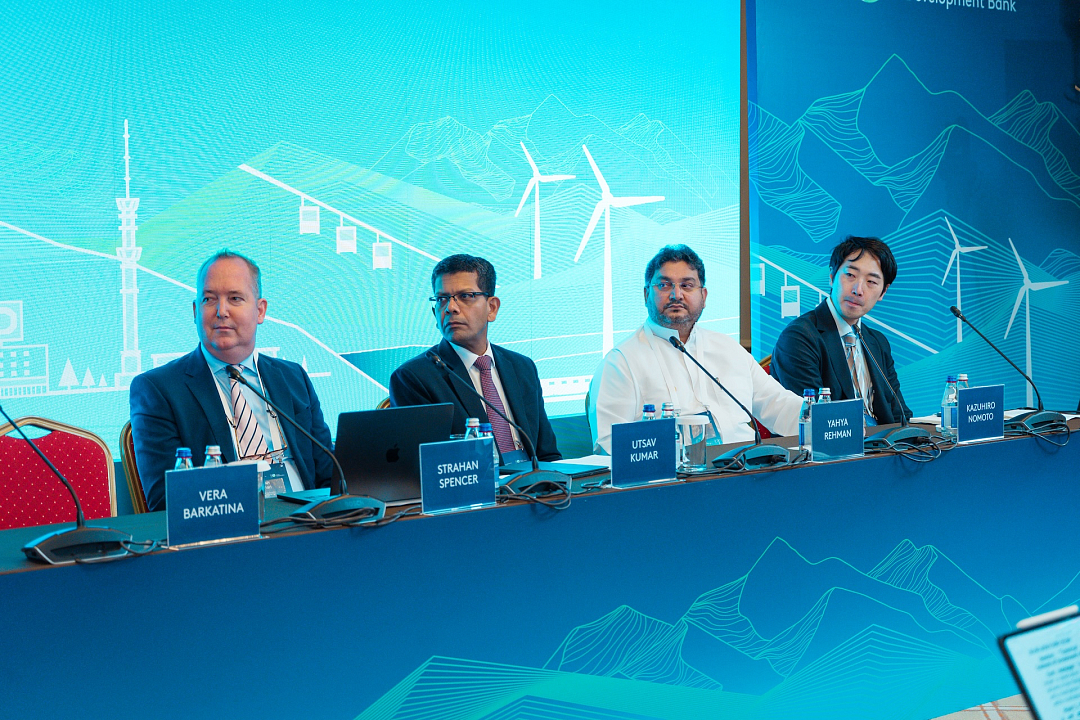
Zhongjing Wang, CEO of the Multilateral Cooperation Centre for Development Finance (MCDF), described technical assistance as the bridge that moves projects from concept to implementation. He stressed that the MCDF platform enables MDBs to share project pipelines, apply common standards to ensure quality, and coordinate resources more effectively:
"MCDF’s priority is to strengthen coordination among developing countries, multilateral development banks, and partners to promote bankable and sustainable cross-border connectivity infrastructure investment. Through capacity building programs and knowledge-sharing activities, we have been working with MDBs to strengthen the ability of developing countries’ financiers to apply international standards in sustainable and green financing."
Strahan Spencer, Head of Platform Team at the Multilateral Cooperation Centre for Development Finance (MCDF), highlighted the benefits of coordination between the MCDF and MDBs in the preparation of sector-specific research and master plans:
"Collaborative work on sector diagnostics and master plans improves the quality of analytical work and provides a strong foundation for future co-financing of investment projects."
Utsav Kumar, Country Director for Kazakhstan at the Asian Development Bank, shared new approaches under the ADB's updated Technical Assistance Policy:
"Our analysis of technical assistance (TA) showed common areas of capacity development, but these initiatives were often implemented independently by different departments and offices, without a bank-wide coordination mechanism. This fragmentation meant that knowledge produced under one TA rarely informs programming under another, and capacity built in one cycle is not systematically reinforced in the next. To address this fragmentation and duplication, at ADB we are building a bank-wide platform, the ADBx, that will allow knowledge, expertise, and innovations from our developing member countries (DMCs) and partner organizations to be integrated systematically into ADB operations and shared with DMC clients."
Yahya Rehman, Head of Knowledge Leaders, Islamic Development Bank Institute (IsDBI), outlined the IsDBI’s experience in supporting the development of the global Islamic finance industry through technical assistance:
"We work closely with a broad set of government, private and philanthropic partners across the full spectrum of Islamic finance activities including policy, strategy, enabling ecosystems, product and capacity development, and public awareness etc. Cooperation and coordination with Islamic Infrastructure Institutions, MDBs and other international organizations is also an integral part of this work."
Kazuhiro Nomoto, Partnership Officer at the Asian Infrastructure Investment Bank, called for measuring the success of technical assistance by its development impact rather than the number of projects delivered.
"We are already working with other MDBs on technical assistance with a strong focus on harmonization and integration of the existing efforts through innovative initiatives such as the AIIB+ and multi-year joint upstream programs. The real measure of success is not how many projects are delivered, but the difference they make to countries' economic development."
The session concluded with a shared understanding that stronger coordination of technical assistance through platforms such as the MCDF enables development banks to prepare higher-quality projects, reduce transaction costs, mobilize financing more effectively, and accelerate the journey from concept to investment.
Additional Information:
The Eurasian Development Bank (EDB) is a multilateral development bank investing in Eurasia. For more than 20 years, the Bank has worked to strengthen and expand economic ties and foster comprehensive development in its member countries. By the end of December 2025, the EDB’s cumulative portfolio comprised 326 projects with a total investment of US $19.6 billion. The Bank's portfolio consists principally of projects with an integration effect in transport infrastructure, digital systems, green energy, agriculture, manufacturing, and mechanical engineering. The Bank’s operations are guided by the UN Sustainable Development Goals and ESG principles.
As part of its 2022–2026 Strategy, the EDB is implementing 3 mega-projects: The Water and Energy Complex of Central Asia, The Eurasian Transport Network, and The Eurasian Commodity Distribution Network.
The EDB Media Centre:
+7 (727) 244 40 44, ext. 4774 and 2160