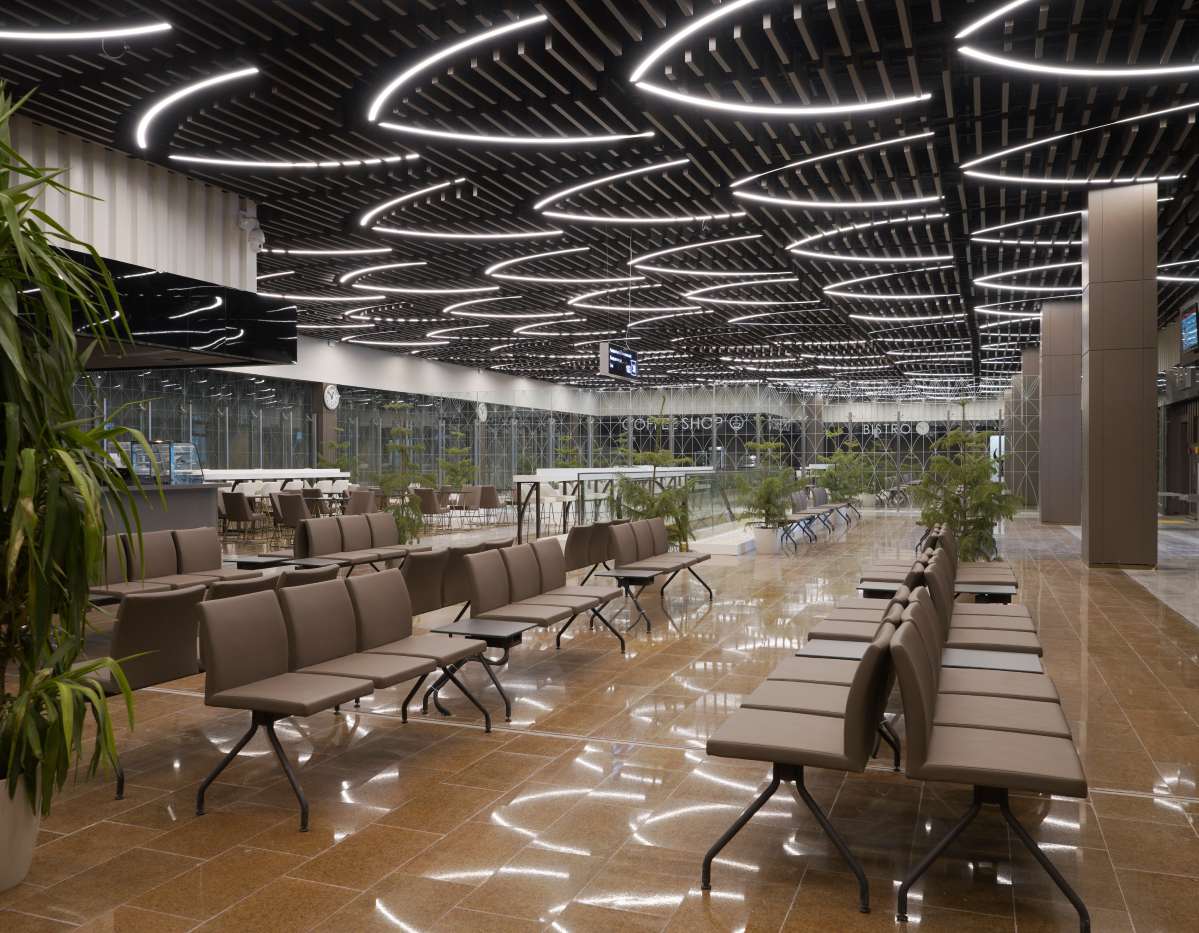
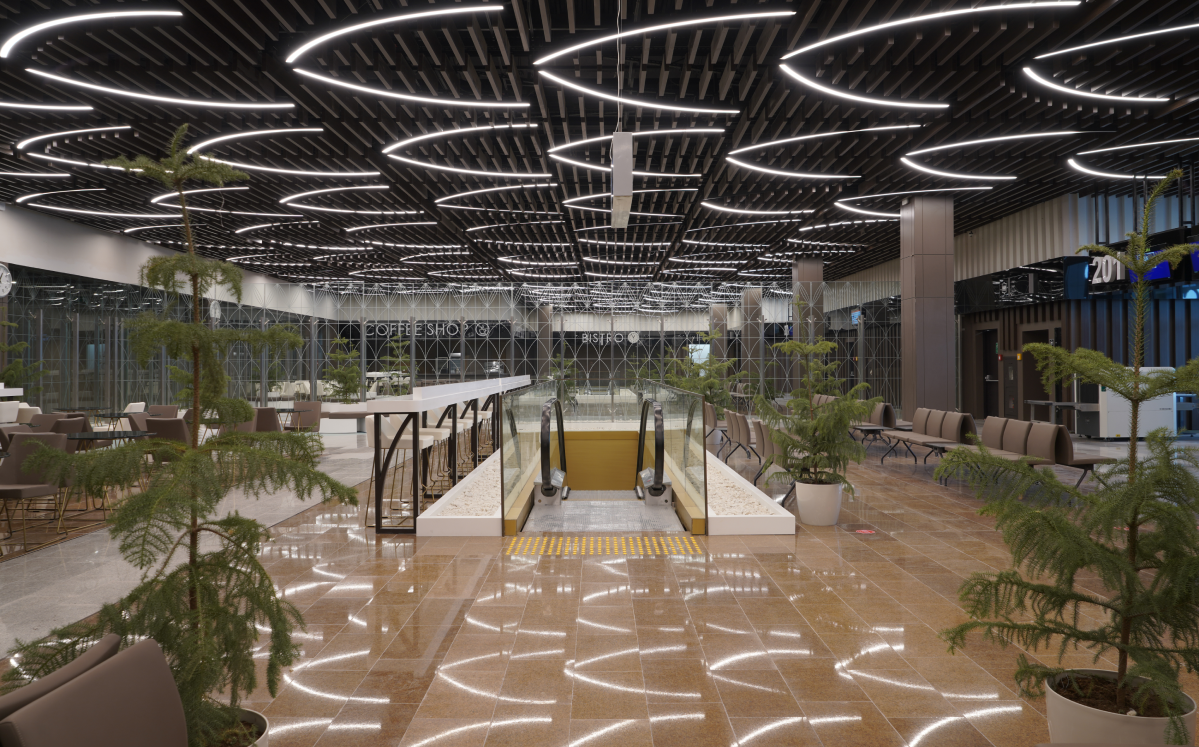
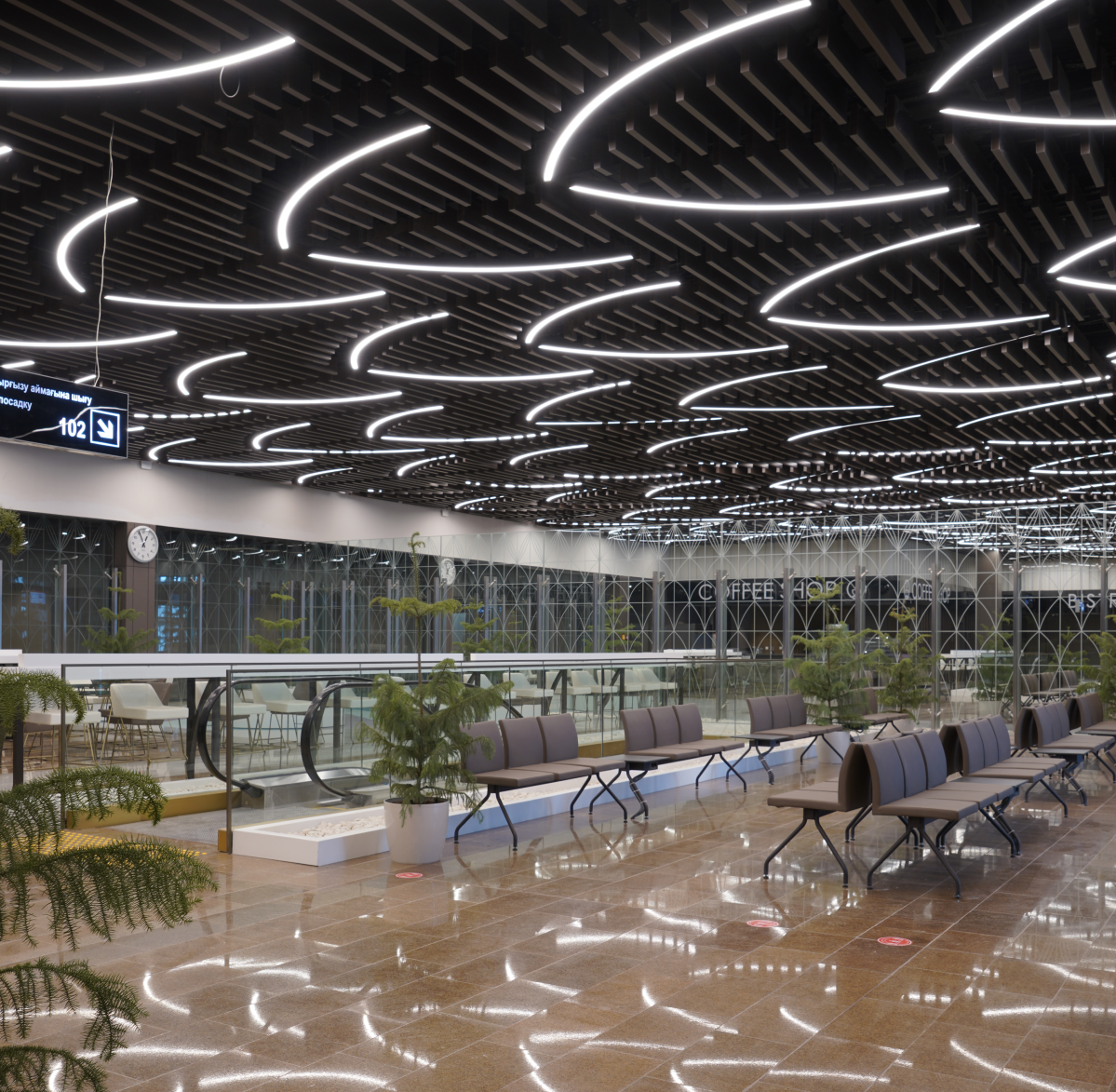
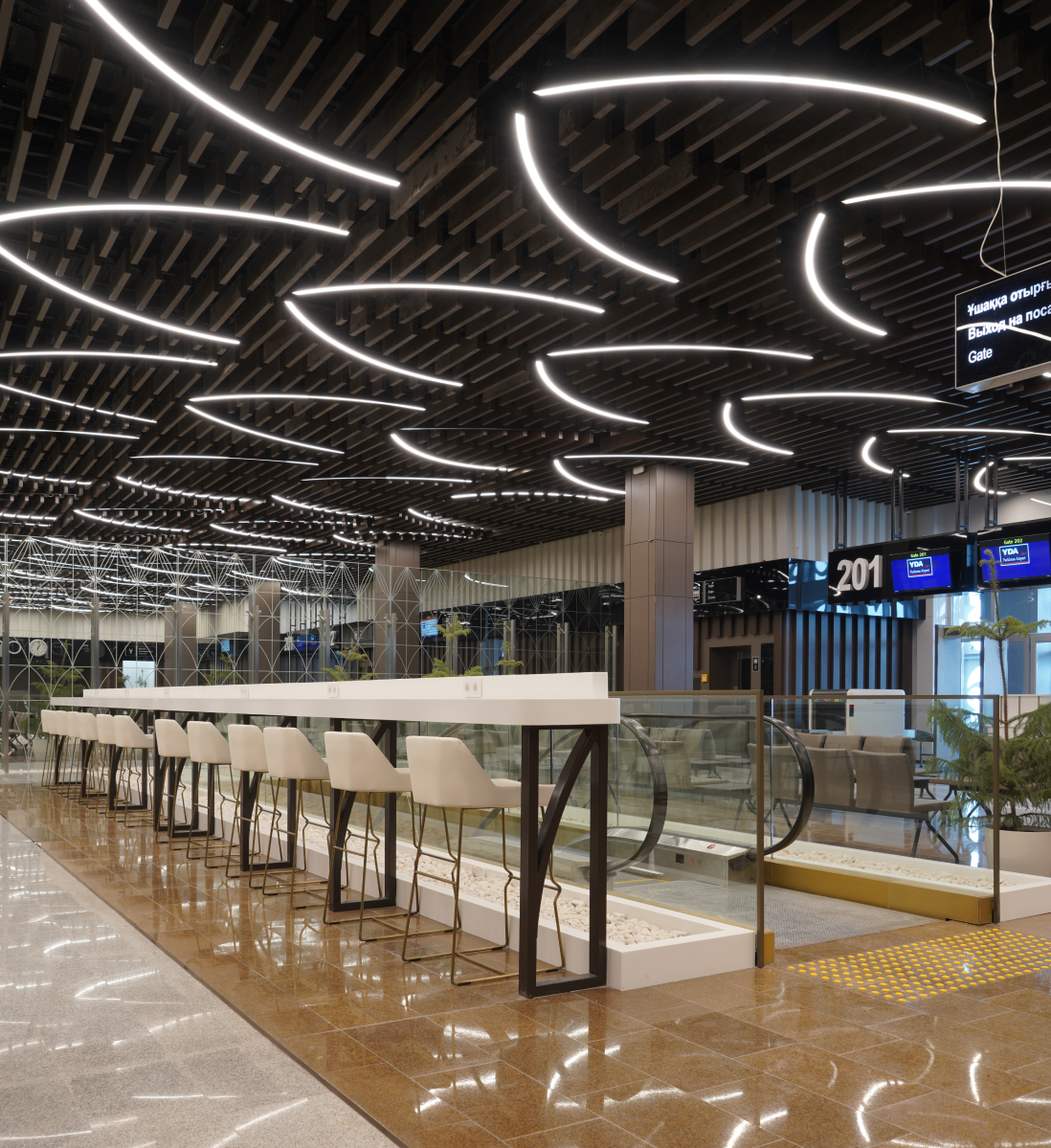
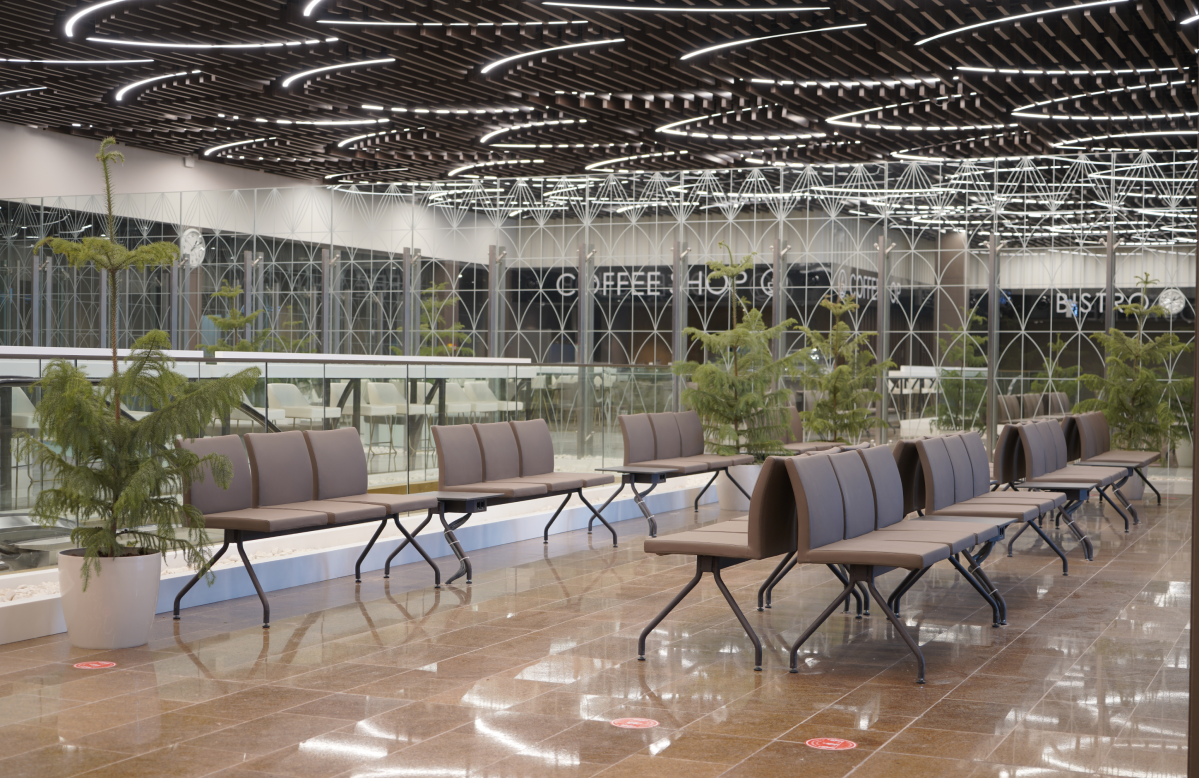
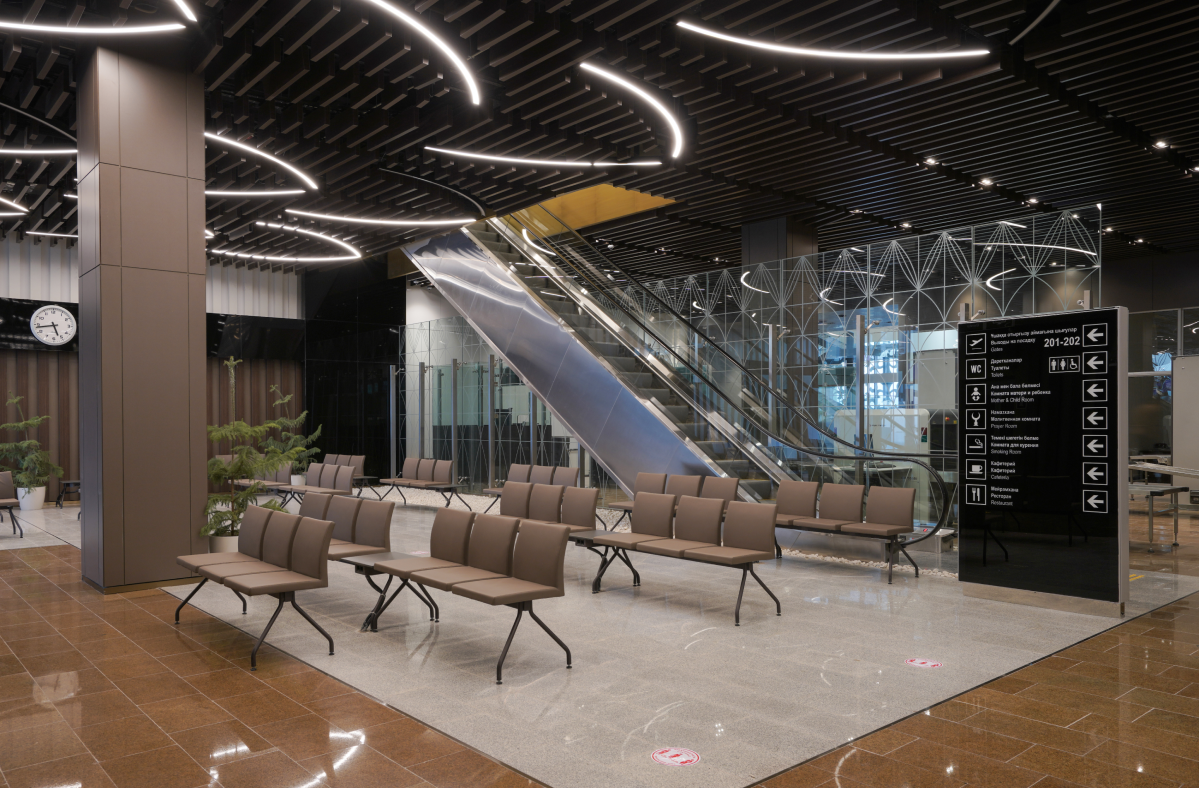
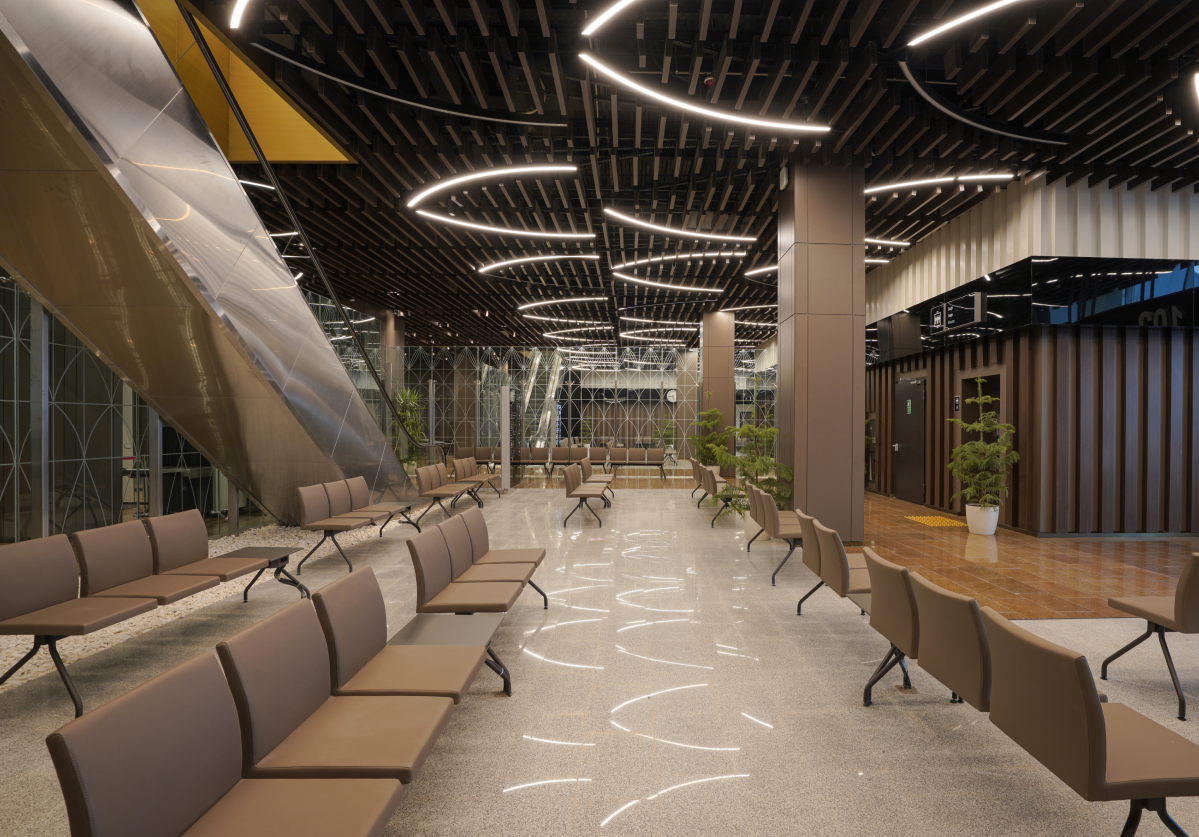
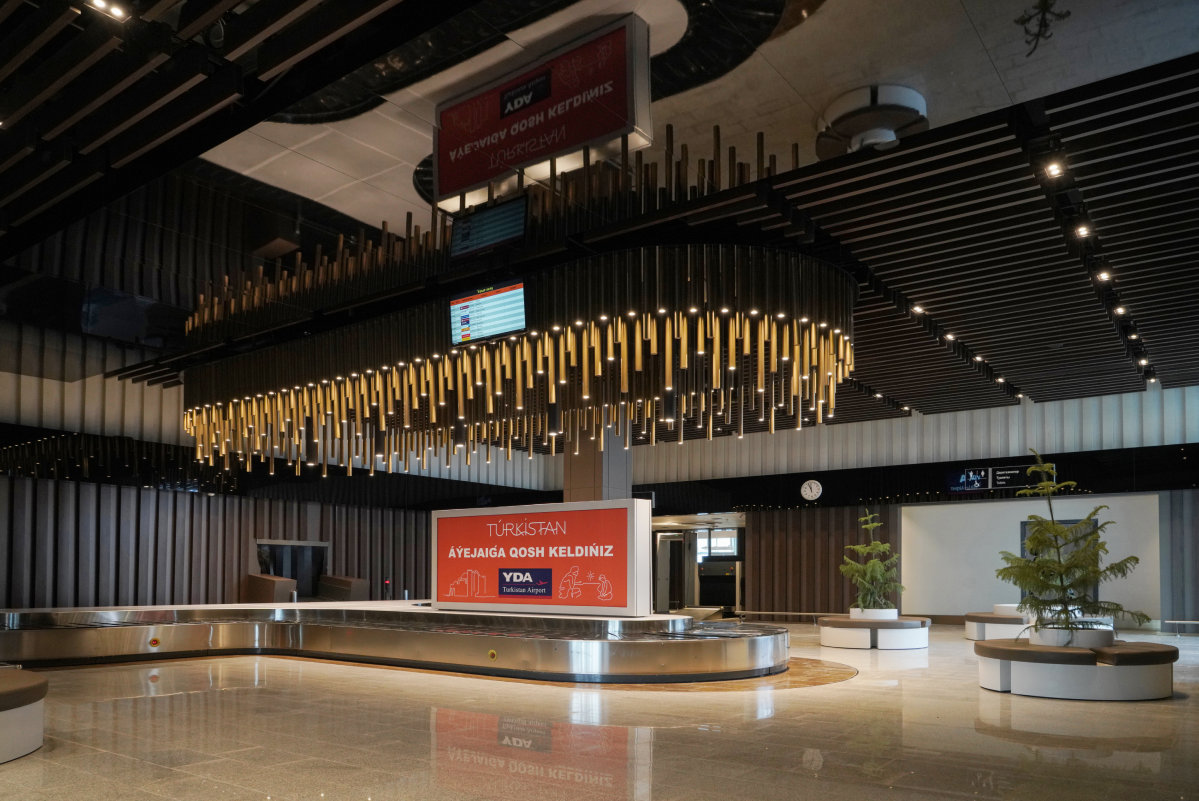
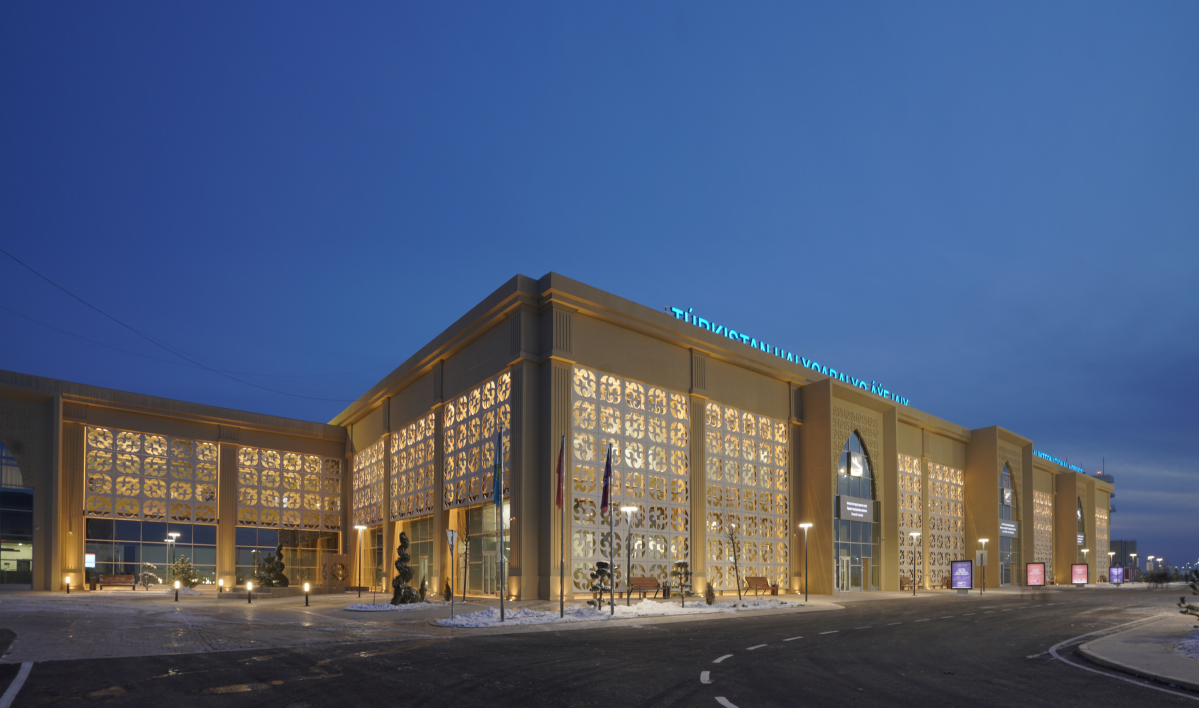
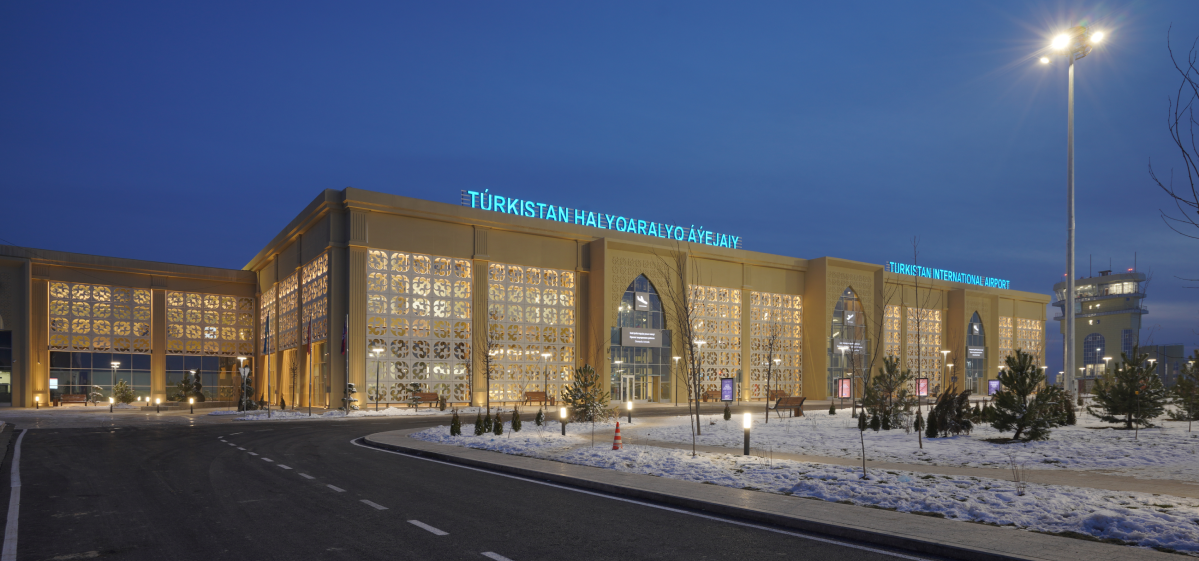
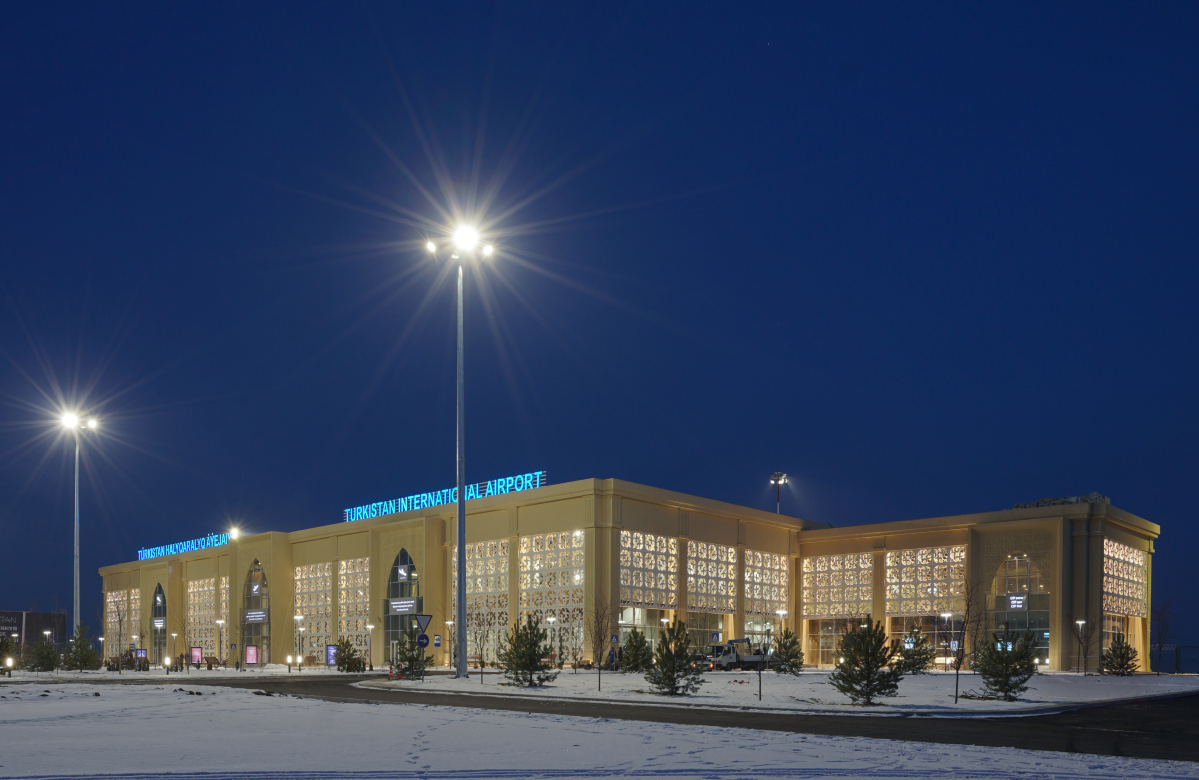
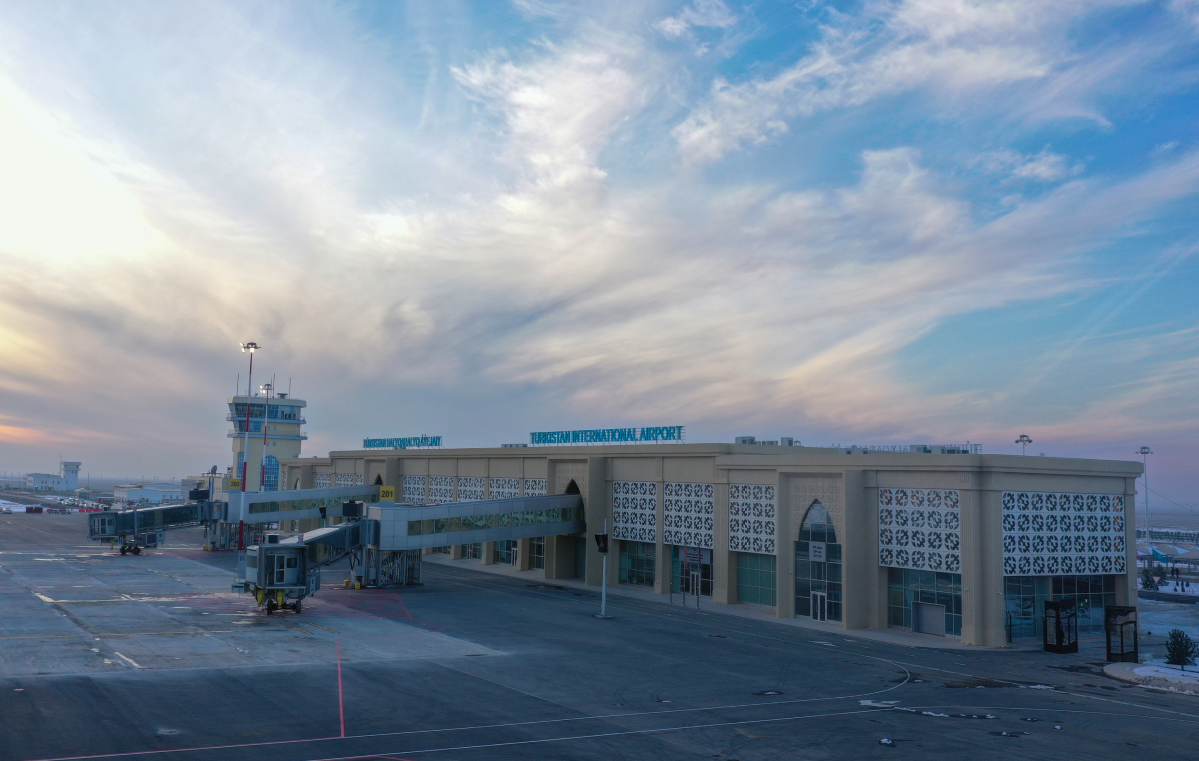
Construction, operation and management of Turkestan International Airport
Project overview
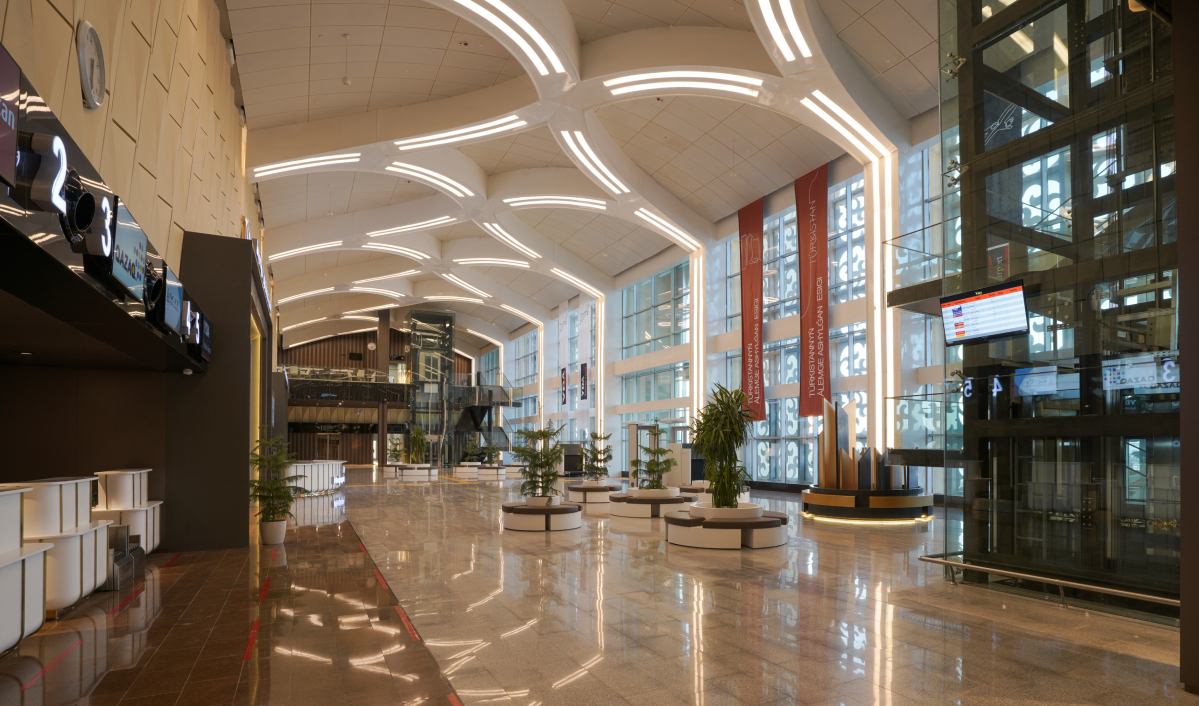
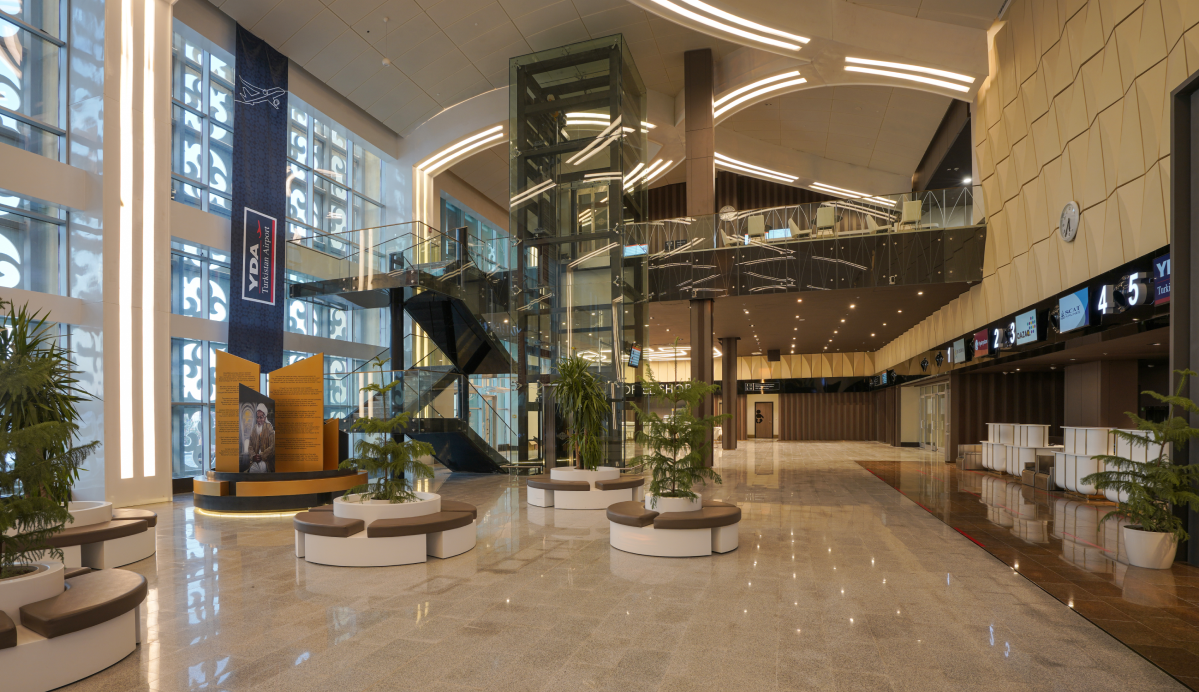
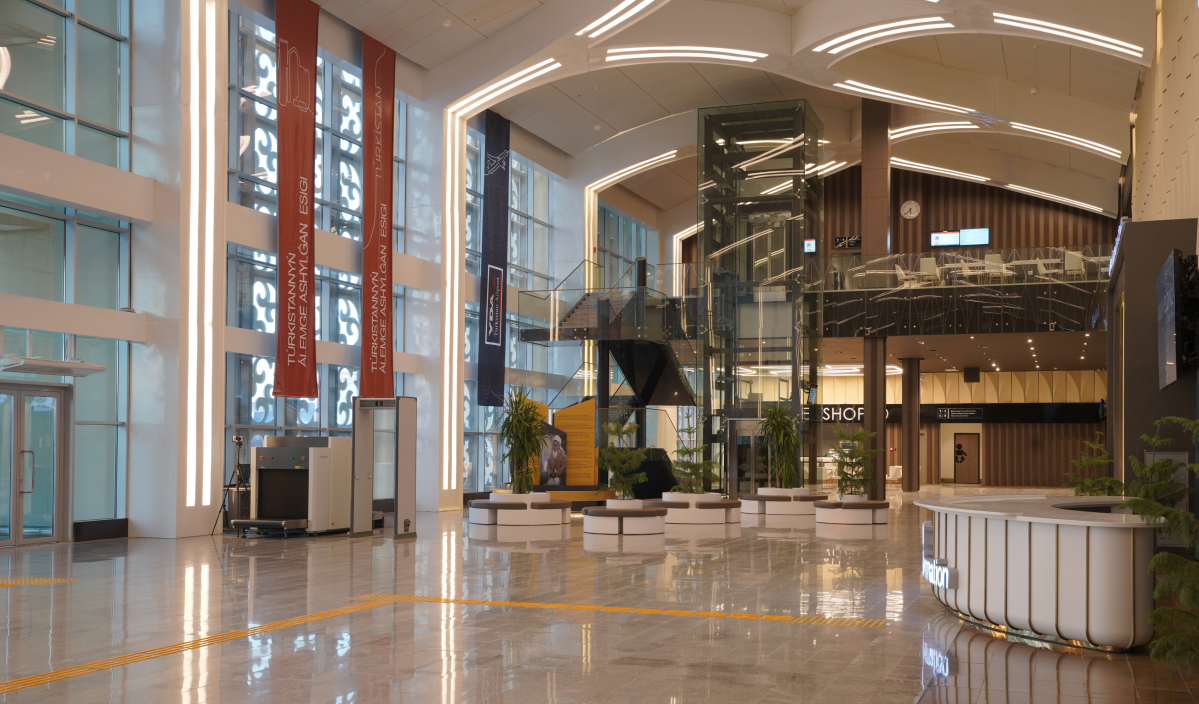
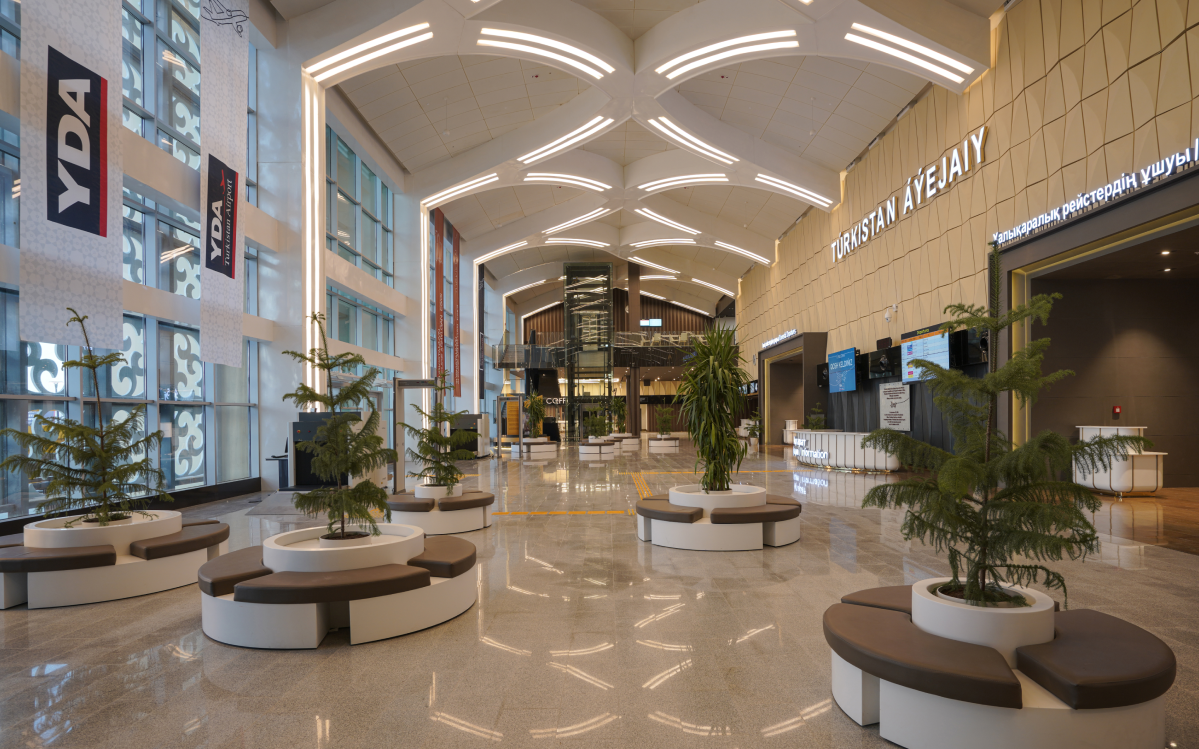
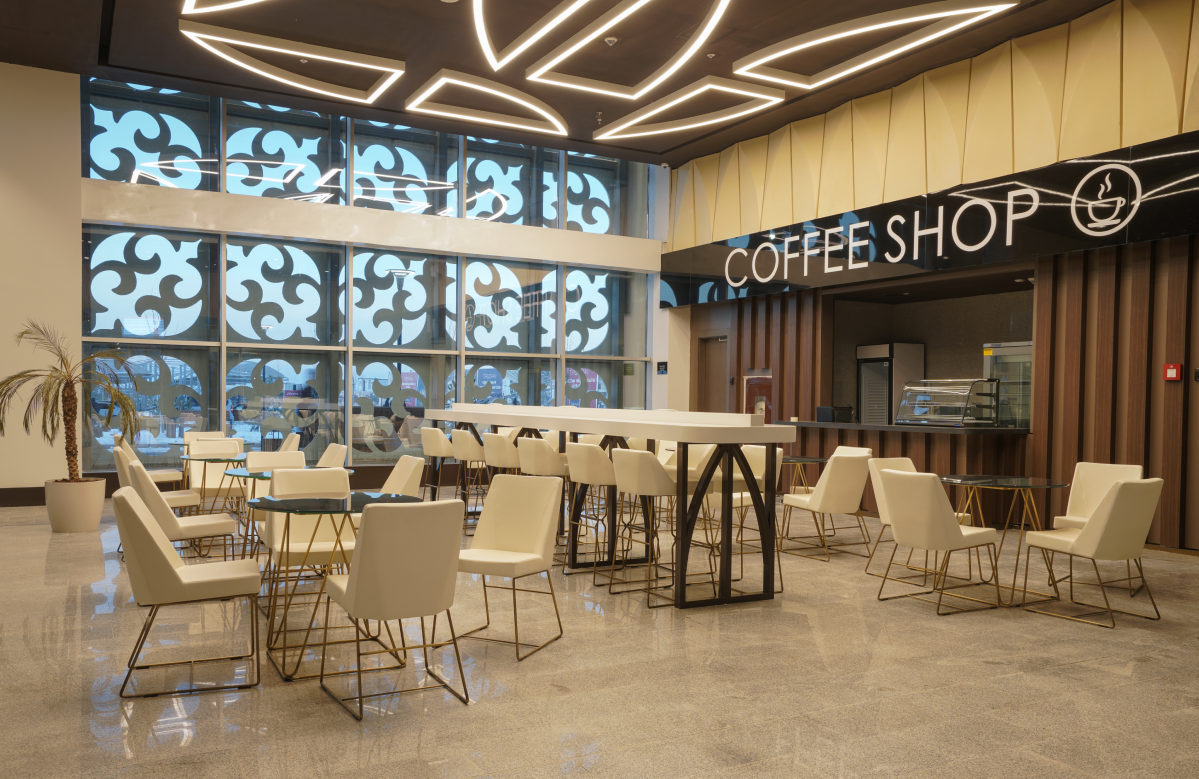
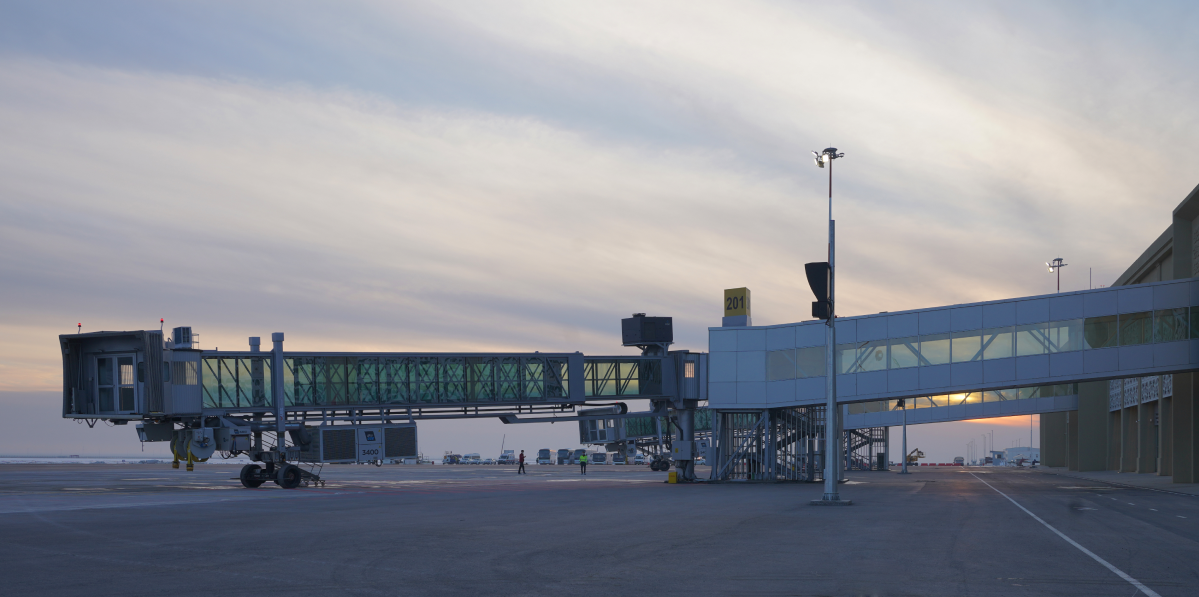
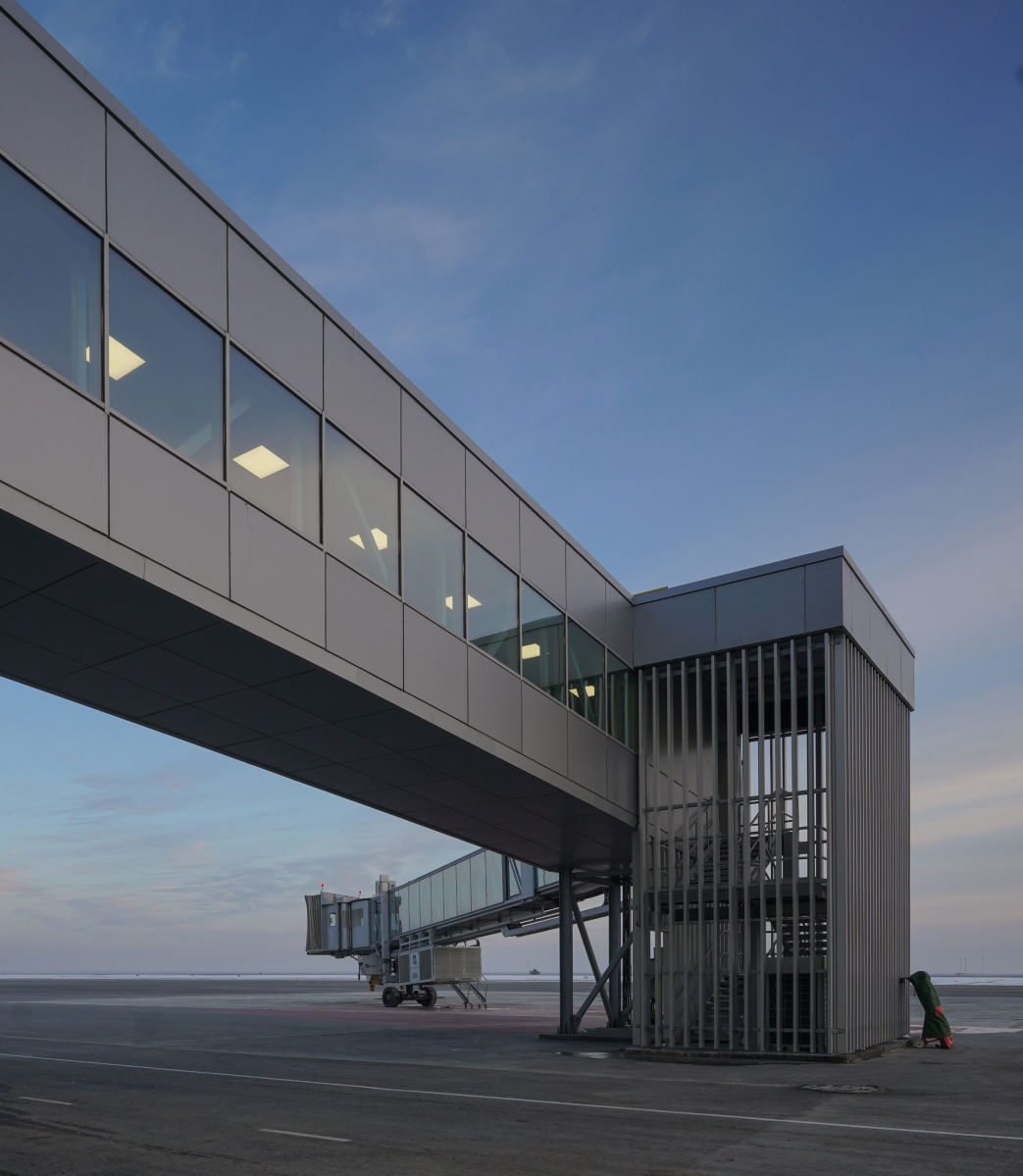
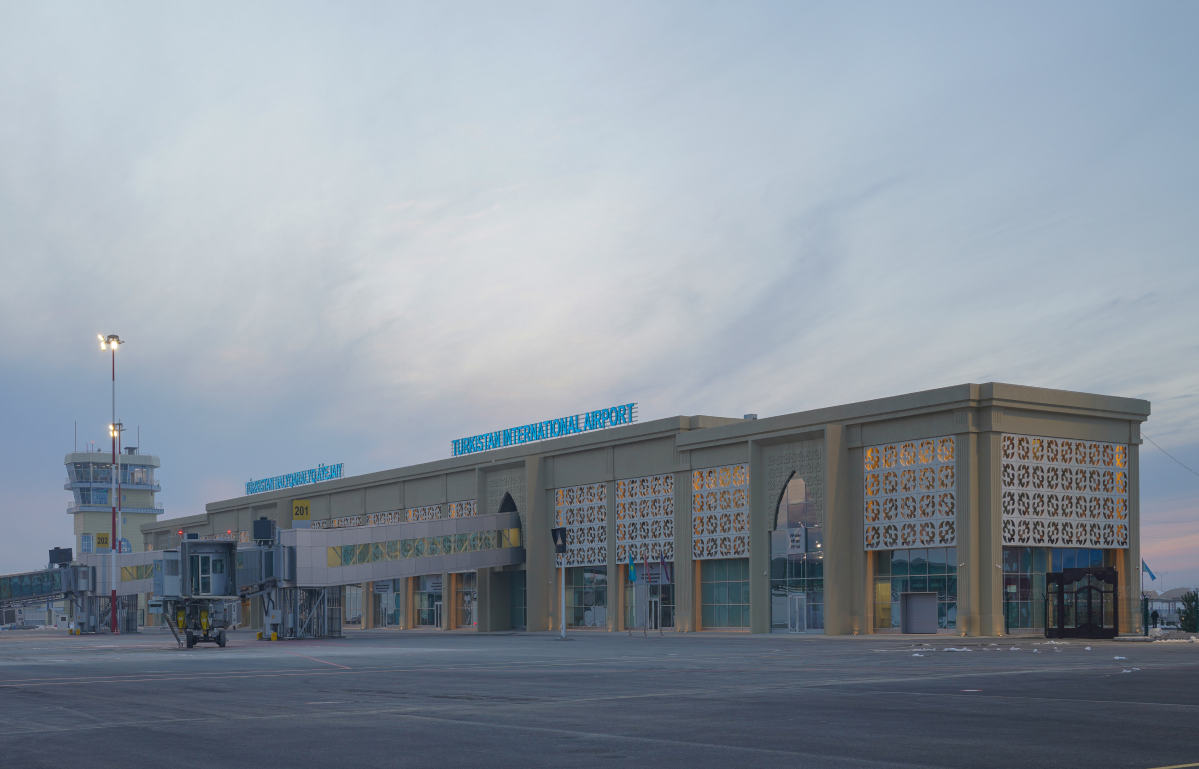
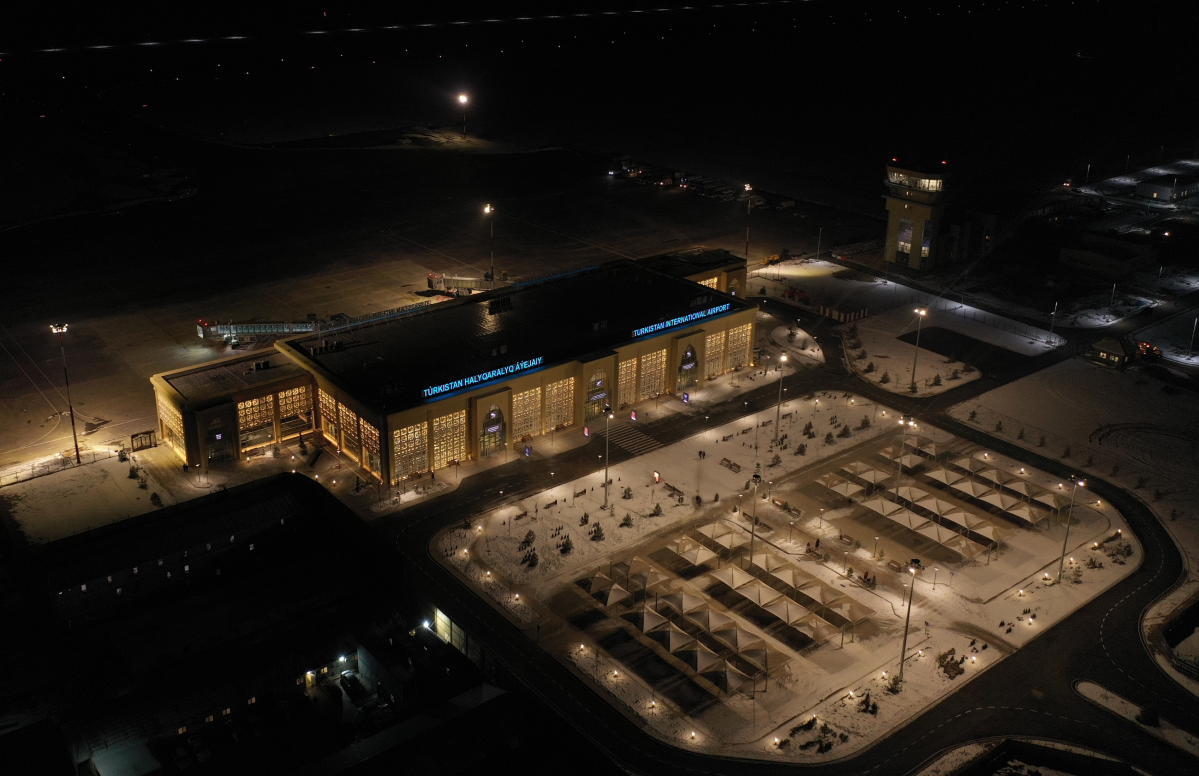
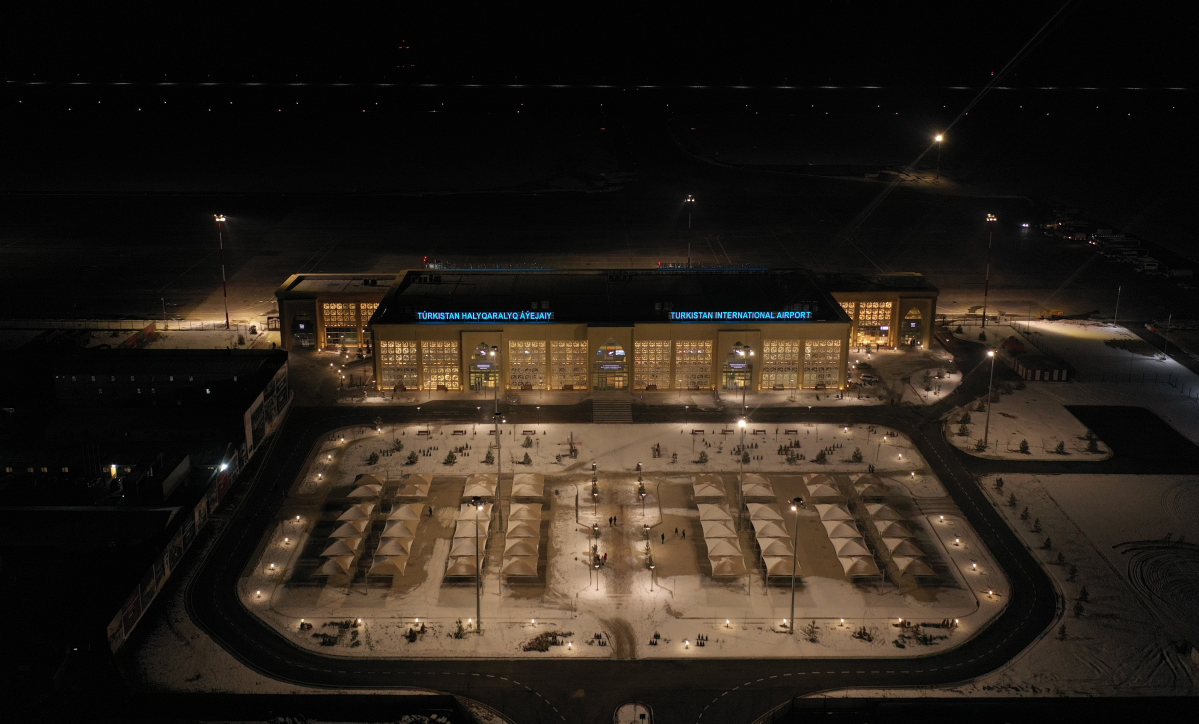
Turkestan International Airport was designed to meet international and IATA standards, including safety requirements. The site covers more than 10,000 m² and has two boarding bridges, 14 check-in counters, parking for 88 vehicles, and VIP and CIP lounges. Its runway is 3,300 m long and 45 m wide, with an aircraft apron. The airfield is Class B under the national classification and 4E under the international classification. It can handle up to 450 passengers an hour.
The cargo terminal can hold 60 tonnes and store up to 20 tonnes of incoming freight a day for three days. Passenger service comfort is rated B. The terminal can serve aircraft with 70–180 seats.
Integration effect
The project supports Kazakhstan's domestic plans for an integrated transport system and a large-scale investment programme. It is expected to develop aviation, domestic and international links, and tourism. Anticipated outcomes include a modern airport meeting International Civil Aviation Organization requirements; quality passenger and cargo services on domestic and international flights; greater passenger traffic; improved investment appeal in Turkestan Region; more domestic and international tourism; higher tax revenue; and jobs during construction and operation.
Project goals and objectives
The relocation of the South Kazakhstan Region's administrative centre to Turkestan, followed by growth in the city's population and tourist arrivals, created a need for a new airport.