
Power Sector of Central Asia: Modernization and Energy Transition
-
Report
PDF, 6.49 Mb -
Summary
PDF, 3.15 Mb -
Key Findings
PDF, 2.80 Mb -
Presentation
PDF, 3.94 Mb
The report presents a comprehensive assessment of the current state and long-term development trajectories of the electricity sector in Central Asian countries through the lens of the World Energy Council’s energy trilemma - that is, the balance between energy security, affordability, and environmental sustainability. The study examines global energy transition trends, their significance for Central Asia, as well as the region’s structural constraints, including rapid growth in electricity demand, critical wear and tear of grid and generation infrastructure (up to 75%), high grid losses (up to 20%), low diversification in countries’ energy mixes (up to 90–99% of a country’s energy mix relies on a single fuel type), and limited regional integration.
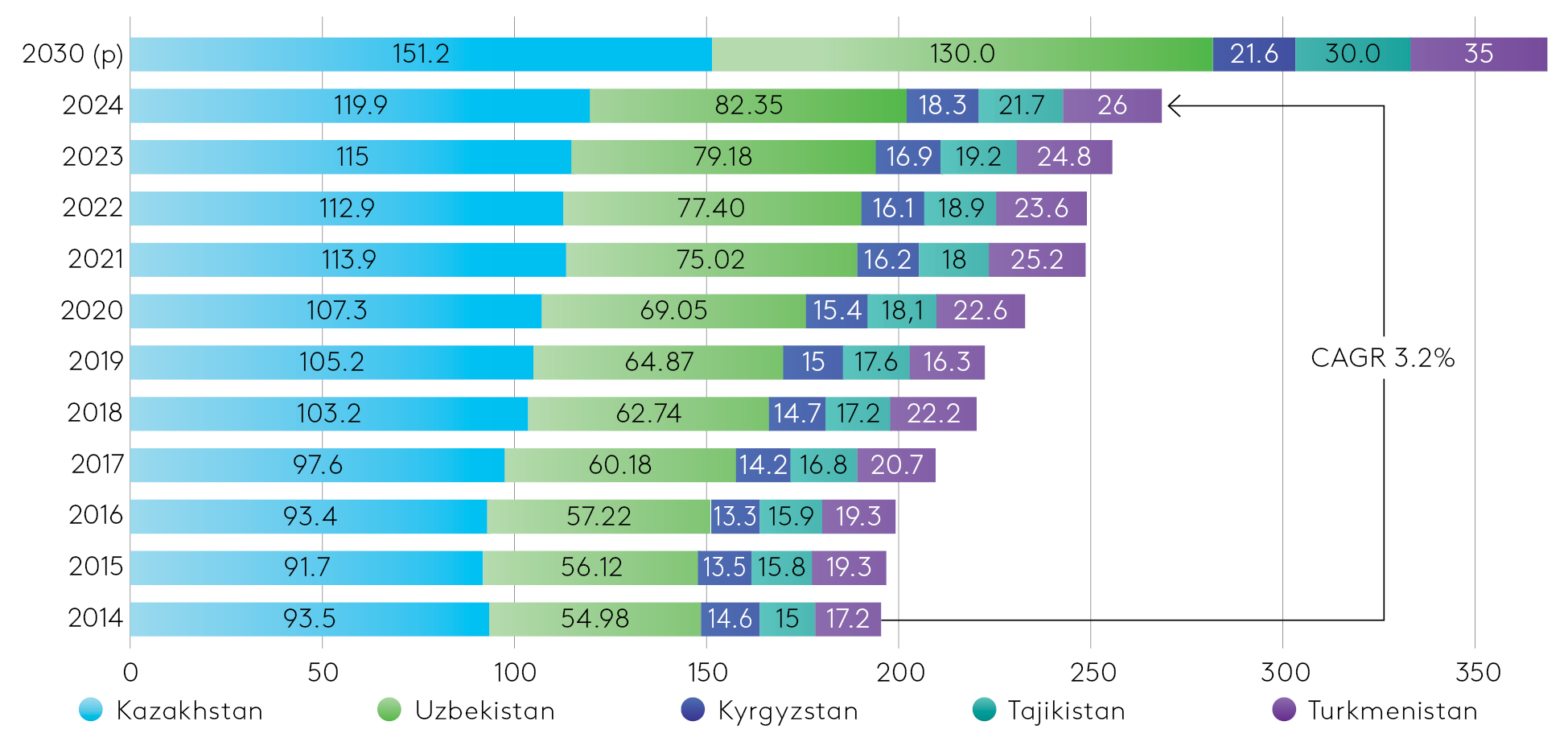
Particular attention is paid to the diagnosis of the region’s power sector. It is shown that Central Asia faces a complex set of risks: countries are already experiencing electricity shortages, demand for electricity may grow by approximately 40% by 2030, a significant portion of power plants and grids require modernization, and the existing power system architecture is ill-prepared for the large-scale integration of new variable energy sources. At the same time, the countries of the region possess significant potential for solar, wind, and hydropower, opportunities for the development of gas and nuclear generation, as well as objective prerequisites for restoring closer interstate energy integration.
The report systematically analyzes the modern technological solutions necessary for a sustainable energy transition:
- modernization of existing thermal and hydroelectric power plants;
- development of flexible capacity, energy storage, and digital control systems;
- expansion of decentralized energy;
- implementation of demand-side management mechanisms;
- improving the tariff and market models;
- strengthening cross-border cooperation.
The study emphasizes that the accelerated expansion of renewable energy without corresponding development of grids, reserves, and market mechanisms can increase systemic risks and raise the overall costs of the power system.
Key conclusion - for Central Asia, the “middle path” is the most realistic and sustainable strategy. Unlike the “green maximalism” scenario and the conservative scenario of maintaining the dominance of fossil fuel generation, this approach involves a pragmatic combination of modernizing existing assets, phased development of renewable energy, commissioning flexible gas-fired capacity, energy storage systems, digitalization, and the creation of a regional market. A comparative assessment of the three scenarios shows that it is the “middle path” that allows for a more balanced outcome across the entire energy trilemma. It reduces capital costs by 30–45% compared to “green maximalism,” the cost of electricity by 25–35%, and the carbon footprint by a factor of 5 compared to the conservative scenario.
The practical value of this study lies in the fact that it provides Central Asian countries with a practical framework for energy policy through 2050. The report proposes a set of technical and institutional measures to support the energy transition. Implementing the proposed approach will enable the region to strengthen energy security, maintain electricity access for the population and the economy, reduce emissions, and lay the groundwork for sustainable growth under new technological and climatic conditions.